
Liquid Hand Wash: What Makes a Gentle and Effective Daily-Care Formula
Hand washing is one of the simplest and most important habits in everyday personal hygiene. From the moment we wake up until the end of the day, our hands come into contact with countless surfaces, objects, and environments. Door handles, phones, keyboards, money, food, public facilities, and household surfaces can all leave dirt, oils, and unwanted microorganisms on our hands. Regular hand washing helps remove these contaminants and supports a cleaner daily routine.
However, effective cleansing is only one part of a good hand-care experience. Because people may wash their hands several times a day, the cleansing product should also feel comfortable on the skin. This is where a thoughtfully developed Liquid Hand Wash can provide an important balance between effective cleansing and gentle everyday care.
A quality formulation is designed to clean the hands without creating an unnecessarily harsh washing experience. Ingredients, pH, texture, foam, fragrance, moisturising components, packaging, and product stability all contribute to the finished product.
So, what makes a Liquid Hand Wash gentle and effective? There are five key features worth understanding: effective cleansing, gentle formulation, skin-conditioning properties, balanced pH, and a pleasant everyday user experience.
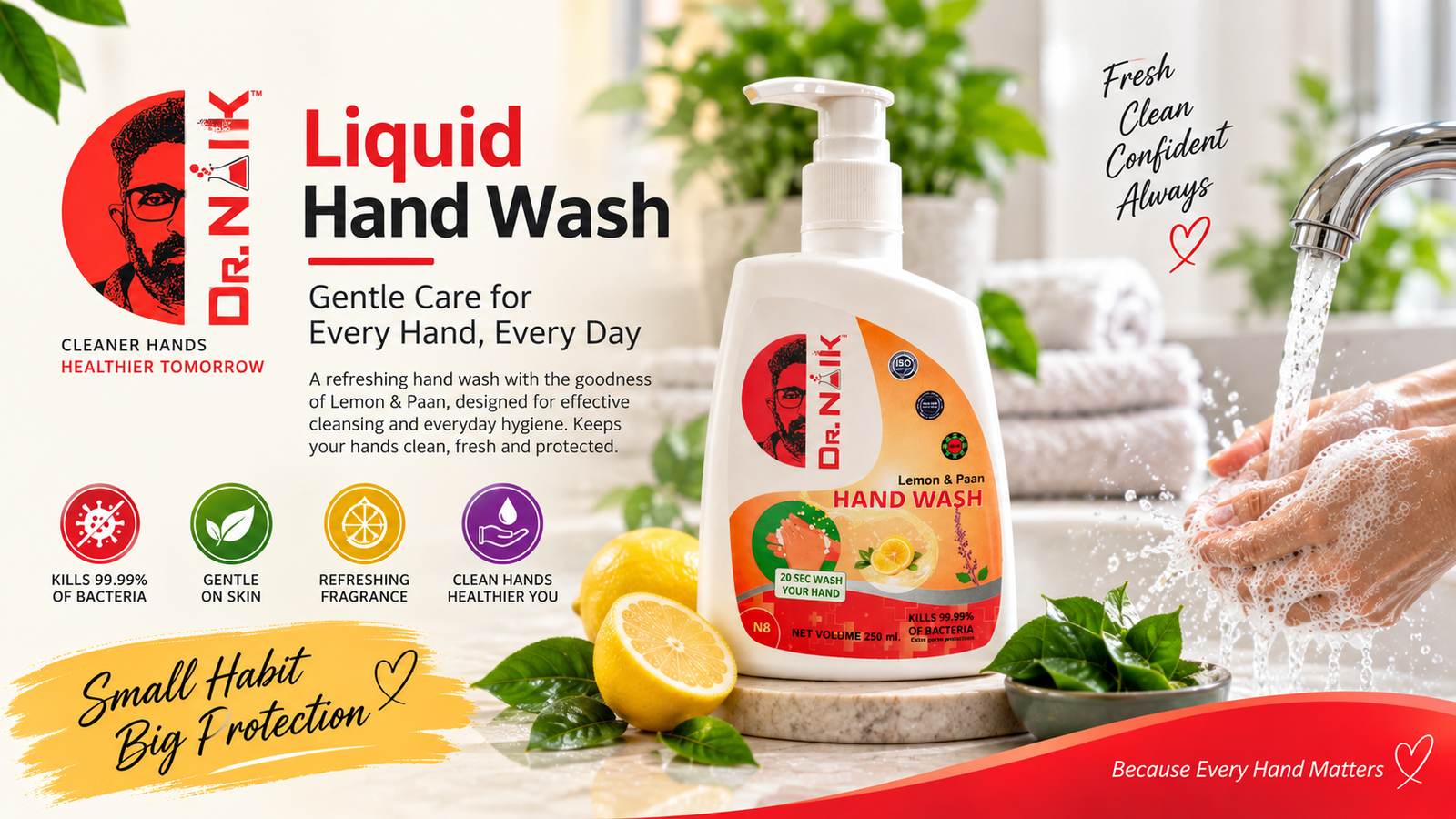
Why Hand Hygiene Is Important Every Day
Hand hygiene is an essential part of maintaining everyday cleanliness. Our hands frequently touch surfaces that may contain dirt, oils, dust, and other unwanted substances. Without regular cleaning, these substances can remain on the skin and transfer to other surfaces or objects.
Proper hand washing with water and a suitable cleanser helps physically remove unwanted materials from the hands. It is particularly important before eating or preparing food, after using the restroom, after handling dirty objects, and whenever hands are visibly soiled.
The convenience of a pump-based Liquid Hand Wash can also encourage regular use. Unlike products that require additional handling, a pump dispenser allows users to quickly dispense the required amount and begin washing.
This makes liquid formulations suitable for homes as well as offices, hotels, restaurants, schools, salons, retail spaces, healthcare environments, and other locations where convenient hand hygiene is important.
What Makes a Liquid Hand Wash Different?
A Liquid Hand Wash is more than a liquid cleanser inside a bottle. Its performance depends on the interaction between multiple ingredients and formulation characteristics.
A professionally developed product may include cleansing agents, moisturising ingredients, skin conditioners, preservatives, fragrance, pH adjusters, thickeners, stabilisers, and other functional components.
Every ingredient has a purpose, and the formulation needs to be carefully balanced. Increasing one ingredient does not automatically make the finished product better. For example, stronger cleansing may not necessarily mean better everyday performance if the product leaves the hands feeling uncomfortable.
The objective is to create a formula that cleans effectively while providing a pleasant and convenient experience.
5 Key Features of a Gentle Liquid Hand Wash Formula
1. Effective Yet Balanced Cleansing
The first and most obvious function of a Liquid Hand Wash is cleansing. The product needs to help remove dirt, oils, and other unwanted substances from the hands when used with water.
Cleansing agents, commonly known as surfactants, play an important role in this process. They help loosen substances from the skin so they can be rinsed away with water.
However, effective cleansing does not necessarily mean using the harshest possible cleansing system. For an everyday product, formulation balance is extremely important.
A well-designed cleansing system should provide an efficient washing experience without making the skin feel excessively stripped after use. This becomes particularly relevant for people who wash their hands repeatedly throughout the day.
The quality of the cleansing system can influence several sensory characteristics, including how easily the product spreads, the amount and type of foam it produces, how quickly it rinses, and how the hands feel afterward.
For this reason, a good Liquid Hand Wash focuses on appropriate cleansing rather than simply maximum cleansing strength.
2. Gentle Cleansing for Frequent Hand Washing
The second important feature is gentle cleansing.
Hand washing is a repeated activity. Someone may wash their hands after using the restroom, before meals, after handling objects, after cleaning, and many other times throughout the day.
A formulation that is designed for frequent use therefore needs to consider skin comfort.
Gentle cleansing can be influenced by the selection and concentration of cleansing agents, the overall formulation balance, pH, fragrance system, and skin-conditioning ingredients.
A well-developed Liquid Hand Wash should aim to leave the hands feeling clean and refreshed rather than excessively dry or uncomfortable.
This is one reason consumers increasingly pay attention to products described as mild, gentle, moisturising, or suitable for frequent use.
However, “gentle” should not be viewed as a substitute for effective cleansing. The goal is to achieve both characteristics in the same formulation.
A balanced product provides enough cleansing performance for its intended purpose while maintaining a pleasant user experience.
3. Skin-Conditioning and Moisturising Ingredients
The third feature is skin comfort.
Frequent exposure to water and cleansing products can sometimes leave the hands feeling dry. Environmental factors such as cold weather, dry air, frequent cleaning, or exposure to certain substances may further influence how the skin feels.
This is why many personal care formulations include ingredients designed to support a smoother and more comfortable skin feel.
Humectants such as glycerin are commonly used in personal care products because they can help attract and retain moisture. Depending on the formulation, other conditioning ingredients may also be included to improve the sensory experience.
The objective is not to turn a cleanser into a moisturising cream. Instead, the formulation can be designed to avoid an unnecessarily dry or tight feeling after washing.
A Liquid Hand Wash containing suitable conditioning ingredients may therefore provide a more comfortable experience for everyday use.
Ingredient selection still needs to be based on the complete formulation rather than a single ingredient. A product containing a popular moisturising ingredient is not automatically superior if the rest of the formula is poorly balanced.
Formulators consider the interaction between cleansing agents, humectants, conditioners, fragrance, preservatives, water, and other ingredients when developing the final product.
4. Appropriate pH Balance
The fourth feature is pH.
The skin has a naturally acidic surface environment, and pH is one of several factors that can influence the feel and compatibility of a cleansing product.
When developing a Liquid Hand Wash, formulators may adjust and monitor pH as part of the overall product-development process.
pH can influence more than skin feel. It may also affect the stability of certain ingredients, preservation systems, viscosity, fragrance performance, and other formulation characteristics.
This means pH cannot be considered independently. It needs to be evaluated alongside the complete hand wash formula.
A well-developed product aims to maintain an appropriate balance between cleansing performance, formulation stability, and user comfort.
For consumers, this is one of the reasons a professionally formulated personal care product can feel different from a basic homemade or poorly balanced cleanser.
5. Pleasant Texture, Foam, Fragrance and Packaging
The fifth feature is the overall user experience.
A good Liquid Hand Wash should not only perform its cleansing function; it should also be convenient and pleasant to use.
Texture is one part of this experience. The product should have a viscosity that allows it to dispense easily from the selected pump or dispenser.
If the formulation is too thin, it may dispense too quickly and make controlled application difficult. If it is too thick, the pump may struggle to deliver the product consistently.
Foam is another important sensory characteristic. Consumers often associate foam with cleansing and freshness. While foam volume alone does not determine cleaning performance, the right foam profile can make washing feel more satisfying.
Fragrance also contributes to the experience. Clean, fresh, floral, botanical, citrus, herbal, and fruity fragrance profiles can all be used depending on the product concept and target audience.
The fragrance should complement the cleansing experience rather than becoming overpowering.
Finally, packaging matters. A pump dispenser is convenient because users can dispense the cleanser without repeatedly handling the bottle. This is particularly useful in shared environments.
A well-designed Liquid Hand Wash therefore combines formulation performance with practical packaging to create a complete daily-care product.
Understanding the Hand Wash Formula
The hand wash formula is at the centre of product performance.
A formulation team needs to consider the purpose of every major ingredient and how those ingredients interact.
Cleansing Agents
Cleansing agents help remove dirt, oils, and other substances from the hands. Different surfactants can produce different levels of cleansing, foam, mildness, and sensory performance.
Humectants
Humectants can help attract and retain moisture, contributing to a more comfortable skin feel.
Conditioning Ingredients
Conditioning ingredients can improve the feel of the skin after washing and may help create a smoother sensory experience.
Preservatives
Because many liquid personal care products contain significant amounts of water, an appropriate preservation system may be necessary to maintain product quality during its intended use.
Fragrance
Fragrance provides an important sensory element and can influence how consumers perceive freshness and cleanliness.
pH Adjusters
pH-adjusting ingredients help bring the formulation into its desired pH range.
Thickeners and Stabilising Ingredients
These components can help achieve the desired consistency and maintain product stability.
The exact composition varies according to the product’s intended use, formulation goals, manufacturing process, regulatory requirements, and target market.
Why Gentle Cleansing Matters in Personal Care
Gentle cleansing has become an important consideration across the personal care industry.
Consumers increasingly want products that fit naturally into their daily routines. They are not only looking for cleaning performance; they are also interested in texture, fragrance, ingredients, packaging, skin feel, and overall product quality.
A Liquid Hand Wash intended for everyday use needs to account for these expectations.
The product should be convenient enough for repeated use, effective enough to provide the expected cleansing experience, and comfortable enough that consumers are happy to continue using it.
This balance can influence customer satisfaction and product perception.
Benefits of Quality Liquid Hand Wash for Everyday Hygiene
The benefits of quality liquid hand wash for everyday hygiene go beyond basic cleansing.
First, a suitable product can make regular hand washing convenient. Pump packaging makes dispensing quick and simple.
Second, an appropriately designed formulation can provide effective cleansing while maintaining a comfortable washing experience.
Third, a pleasant fragrance and texture can make hand washing more enjoyable.
Fourth, consistent formulation quality can help ensure that the product provides a predictable experience from one use to another.
Finally, a well-designed product can fit easily into different environments, from household bathrooms and kitchens to commercial washrooms and workplaces.
These benefits show why the quality of an everyday cleansing product deserves attention.
Liquid Hand Wash for Homes
In the home, a Liquid Hand Wash can be placed beside bathroom and kitchen sinks to encourage convenient hand washing.
Families may prefer products that are easy to dispense, pleasant to use, and suitable for repeated daily cleansing.
Packaging can also become part of the home’s visual environment. A well-designed bottle can complement a modern bathroom or kitchen while providing practical functionality.
Different households may have different preferences regarding fragrance, ingredients, texture, and packaging size.
For this reason, personal care brands often develop multiple product variants to meet different consumer expectations.
Liquid Hand Wash for Commercial Environments
Hand hygiene is equally important in commercial environments.
Offices, restaurants, hotels, schools, gyms, salons, clinics, retail stores, and other businesses may require hand-cleansing products for employees, customers, or guests.
In these settings, product performance is only one consideration.
Businesses may also evaluate:
- Bottle size
- Refill convenience
- Pump compatibility
- Fragrance
- Product appearance
- Cost efficiency
- Storage requirements
- Consistency between batches
A professional Liquid Hand Wash can therefore become part of both hygiene management and the overall customer experience.
For hospitality businesses in particular, even small personal care details can contribute to how guests perceive cleanliness and attention to detail.
Choosing the Right Personal Care Product
When selecting a personal care product, consumers should consider the complete product rather than focusing on one marketing claim.
Important considerations can include the intended use, ingredient information, cleansing performance, skin feel, fragrance, packaging, and manufacturer’s quality standards.
People with specific skin concerns may want to pay additional attention to fragrance and ingredient choices and select products appropriate for their individual needs.
No single formulation is ideal for everyone. Skin type, frequency of use, environment, personal preferences, and other factors can influence which product feels most suitable.
The goal is to find a cleanser that provides the right balance between effective washing and everyday comfort.
The Importance of Quality Manufacturing
Behind every quality personal care product is a controlled manufacturing process.
Formulation development is only the beginning. Manufacturers also need to maintain appropriate production procedures, ingredient quality, batch consistency, filling accuracy, packaging compatibility, and finished-product testing.
Quality checks may evaluate characteristics such as:
- Appearance
- Colour
- Odour
- pH
- Viscosity
- Stability
- Microbial quality
- Packaging compatibility
These checks help ensure that the finished product remains consistent and performs as expected.
For brands, consistent manufacturing is especially important because consumers expect repeat purchases to deliver a familiar experience.
Sustainability in Modern Hand-Care Products
Sustainability is another consideration influencing modern personal care.
Consumers are increasingly interested in packaging materials, refill systems, ingredient sourcing, manufacturing efficiency, and waste reduction.
Brands may explore recyclable packaging, refillable formats, concentrated formulations, and other approaches depending on their product requirements.
However, sustainability should be considered across the entire product lifecycle rather than based on one feature alone.
Packaging, manufacturing, transportation, product concentration, shelf life, and consumer usage can all influence the environmental profile of a product.
A modern Liquid Hand Wash can therefore be developed with both consumer convenience and responsible product design in mind.
How to Use Liquid Hand Wash Effectively
Even the best cleanser needs to be used correctly.
A simple hand-washing routine includes:
- Wet your hands with clean running water.
- Apply an appropriate amount of cleanser.
- Rub your palms together.
- Clean the backs of your hands.
- Clean between your fingers.
- Pay attention to your thumbs, fingertips, and areas around the nails.
- Rinse thoroughly.
- Dry your hands using a clean towel or suitable drying method.
The process should be thorough rather than rushed.
Areas such as fingertips, thumbs, and spaces between the fingers can easily be missed, so they deserve attention during every proper hand-washing routine.
Common Mistakes When Selecting a Hand Wash
Consumers sometimes choose cleansing products based entirely on fragrance, colour, foam, or packaging.
Although these characteristics influence the user experience, they do not tell the complete story.
A product that produces a lot of foam is not automatically the most effective cleanser. Similarly, a strong fragrance does not necessarily indicate superior quality.
Instead, consumers should consider the complete formulation and the intended use.
A balanced Liquid Hand Wash should be evaluated based on cleansing performance, skin comfort, texture, fragrance, dispensing, formulation quality, and suitability for everyday use.
What Makes a Formula Truly Effective?
An effective Liquid Hand Wash is the result of balance.
It needs to cleanse without unnecessarily compromising comfort. It needs to produce an appealing texture without becoming difficult to dispense. It needs to provide an appropriate fragrance without overpowering the user. It needs to remain stable throughout its intended shelf life and work correctly with its packaging.
These requirements may sound simple, but achieving the right balance requires formulation knowledge and quality-control processes.
The best products are designed around the complete user experience rather than one individual feature.
Conclusion
A Liquid Hand Wash may seem like a simple everyday product, but creating a high-quality formula involves careful consideration of multiple factors.
Effective cleansing is essential, but it should work alongside gentle cleansing, skin-conditioning properties, appropriate pH, pleasant texture, balanced foam, suitable fragrance, convenient packaging, and consistent manufacturing quality.
The five key features discussed in this article demonstrate why formulation quality matters. A good product should help support everyday hand hygiene while providing a comfortable and convenient experience.
For consumers, choosing the right cleanser can make daily hand washing easier and more enjoyable. For personal care brands and manufacturers, developing a successful product requires attention to ingredients, formulation technology, testing, packaging, manufacturing, and changing consumer expectations.
Ultimately, the ideal Liquid Hand Wash is one that fits naturally into everyday life: easy to dispense, pleasant to use, effective for its intended cleansing purpose, and comfortable enough to become a regular part of a daily hygiene routine.
As personal care continues to evolve, consumers will increasingly look beyond basic cleansing and consider formulation quality, ingredient choices, sustainability, sensory experience, and overall product performance. A carefully developed hand wash formula can meet these expectations by bringing effective hygiene and thoughtful daily care together in one convenient product.