
Toilet Cleaner: How to Choose the Right Formula for a Cleaner, Fresher Bathroom
Introduction
A clean toilet is one of the most important parts of maintaining proper bathroom hygiene. However, simply rinsing the toilet bowl with water is not enough to remove stains, buildup, unpleasant odours and everyday dirt. Choosing the right toilet cleaner and using it correctly can make toilet cleaning more effective while helping maintain a fresher-looking bathroom.
Different toilet bowls can develop different types of stains depending on water quality, usage, cleaning frequency and the type of buildup present. This is why understanding what to look for in a toilet-cleaning formula is important before choosing a product.
Whether you are maintaining a household bathroom, office washroom, hotel, restaurant or commercial facility, the right cleaning routine can make a noticeable difference.
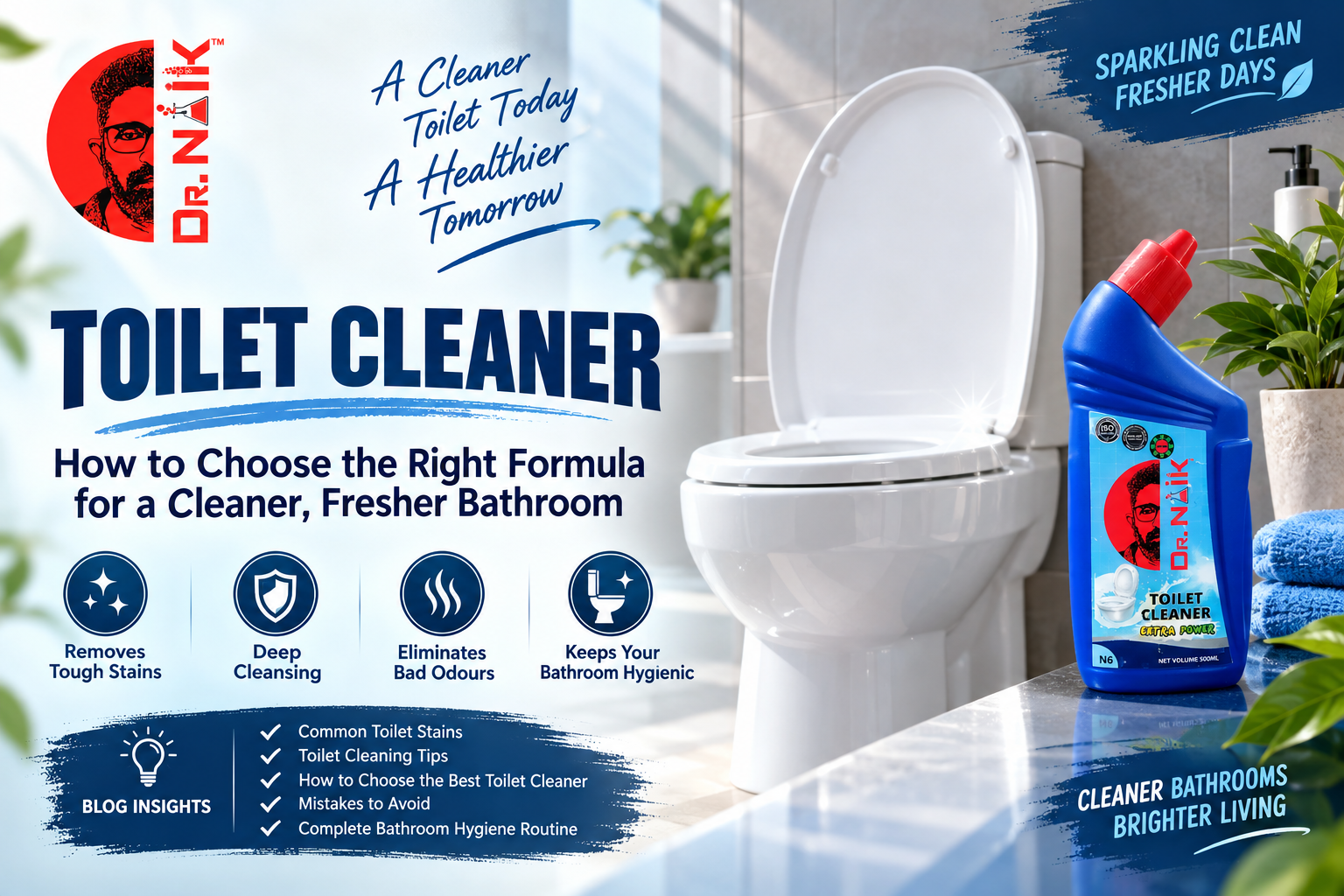
Why Choosing the Right Toilet Cleaner Matters
Toilets are exposed to moisture, minerals, organic residues and frequent use. Without regular cleaning, these can contribute to visible stains and buildup.
A suitable toilet cleaner should be selected according to the cleaning requirement. Depending on the formulation, a toilet-cleaning product may be designed to help tackle:
- Everyday dirt and residue
- Mineral deposits and water stains
- Yellowish or brownish toilet stains
- Surface buildup
- Unpleasant bathroom odours
- Hard-to-clean areas around the toilet bowl
The goal is not simply to make the toilet look clean. Effective toilet bowl cleaning should also become part of a consistent bathroom hygiene routine.
Common Toilet Stains and What Causes Them
Before selecting a toilet stain remover, it helps to understand what you are dealing with.
1. Hard-Water and Mineral Deposits
Bathrooms with hard water may develop white, yellow or brown mineral deposits over time. These deposits can become increasingly difficult to remove when cleaning is irregular.
2. Yellow Stains
Yellowish discoloration can occur due to mineral deposits, residue and prolonged exposure to moisture. Regular cleaning can help prevent these marks from becoming heavily established.
3. Brown or Dark Buildup
Brownish stains are often associated with mineral deposits and accumulated residue. If left untreated, they can make an otherwise clean bathroom appear poorly maintained.
4. Everyday Residue
Frequent toilet usage naturally creates the need for routine cleaning. Without regular maintenance, residue can accumulate around the bowl and other toilet surfaces.
Understanding the type of buildup helps you choose a formula that matches your cleaning needs instead of relying on one product for every situation.
What Should You Look for in the Best Toilet Cleaner?
The best toilet cleaner is not necessarily the strongest-smelling or most heavily marketed product. A good choice should match the specific cleaning requirement while fitting comfortably into your regular bathroom-care routine.
Consider these factors:
Cleaning Performance
Look for a formula designed to effectively tackle the type of stains and buildup commonly found in your bathroom.
Ease of Application
A convenient bottle and controlled application can make cleaning easier, particularly when reaching areas inside the toilet bowl.
Regular-Maintenance Suitability
A toilet cleaner should work as part of a consistent cleaning routine rather than only being used when stains become severe.
Freshness
Bathroom cleanliness also involves maintaining a fresh environment. A suitable cleaning solution can contribute to a cleaner and more pleasant-smelling washroom when used correctly.
Surface Compatibility
Always check the product instructions and recommended surfaces before use. Following the manufacturer’s directions helps ensure the product is appropriate for your toilet and bathroom surfaces.
Toilet Cleaning Tips for Better Results
Using the right product is only one part of effective toilet cleaning. Your application technique and cleaning frequency also matter.
1. Clean Regularly
Don’t wait until stains become clearly visible. Regular toilet cleaning helps prevent residue and buildup from becoming difficult to remove.
For frequently used bathrooms, cleaning may need to be performed more often than in lightly used residential bathrooms.
2. Apply the Cleaner Correctly
Follow the instructions provided on the product label. Apply the cleaner to the recommended areas and allow the appropriate contact time if specified.
Avoid using more product than recommended. More cleaner does not automatically mean better cleaning.
3. Pay Attention to Hidden Areas
When cleaning, don’t focus only on the visible surface of the bowl. Areas underneath the rim and around difficult-to-reach sections can also collect residue and buildup.
4. Use Appropriate Cleaning Tools
A suitable toilet brush can help loosen residue and distribute the cleaner across the bowl surface. Clean and maintain the brush itself regularly to support better hygiene.
5. Rinse Thoroughly
After cleaning, rinse or flush according to the product instructions to remove loosened residue and cleaning solution.
How Often Should You Clean Your Toilet?
There is no single cleaning frequency that works for every bathroom.
Factors such as household size, number of users, bathroom traffic and environmental conditions can influence how frequently cleaning is required.
For everyday household maintenance, regular cleaning throughout the week can help maintain a consistently fresh bathroom. High-traffic bathrooms in offices, hotels, restaurants and commercial facilities may require more frequent cleaning and inspection.
A simple approach is:
Regular cleaning → stain prevention → easier maintenance → better bathroom hygiene
Consistency is often more effective than waiting for visible buildup to become severe.
Common Toilet Cleaning Mistakes to Avoid
Even with a good toilet cleaner, incorrect cleaning practices can reduce results.
Using Too Much Product
Applying excessive amounts does not necessarily improve cleaning performance. Always follow the recommended usage instructions.
Ignoring the Product Instructions
Different formulations can have different application methods, contact times and safety requirements. Read the label before use.
Mixing Cleaning Products
Avoid mixing different toilet cleaners or household cleaning chemicals unless the manufacturer specifically states that they are compatible. Some combinations can produce hazardous fumes or unwanted chemical reactions.
Using the Wrong Tool
Harsh or unsuitable cleaning tools may damage certain bathroom surfaces. Use tools appropriate for the toilet and product being used.
Cleaning Only When the Toilet Looks Dirty
Visible cleanliness is not a substitute for a regular cleaning schedule. Routine maintenance helps control buildup before it becomes harder to manage.
Making Toilet Cleaning Part of Complete Bathroom Hygiene
Toilet cleaning should not be treated as an isolated task. A genuinely hygienic bathroom requires attention to multiple areas, including:
- Toilet bowls and surrounding surfaces
- Wash basins
- Faucets and fixtures
- Floors
- Frequently touched surfaces
- Bathroom walls and other suitable surfaces
Combining regular cleaning with good ventilation, proper hand hygiene and routine maintenance creates a more complete bathroom hygiene strategy.
For homes and professional facilities alike, having the right cleaning products readily available makes it easier to maintain this routine consistently.
Choosing the Right Toilet Cleaning Solution
When comparing toilet-cleaning products, think beyond the question, “Which cleaner removes stains the fastest?”
Instead, consider the complete cleaning requirement:
What type of stains do I have?
How frequently is the bathroom used?
How often will the product be used?
Is the formulation suitable for my toilet surface?
Does it fit into my overall bathroom-care routine?
This approach makes it easier to identify a toilet-cleaning solution that delivers practical value for your specific needs.
Naik Laboratories: Supporting Better Bathroom-Care Routines
For consumers and professional cleaning requirements, Naik Laboratories offers cleaning solutions designed to support effective everyday hygiene and maintenance.
A suitable toilet-cleaning solution can become an important part of a broader bathroom-care routine, helping users address routine cleaning requirements while maintaining a cleaner and fresher washroom environment.
When selecting a product, always consider the specific cleaning requirement, follow the manufacturer’s usage instructions and use the product as directed.
Final Thoughts
Choosing the right toilet cleaner can make everyday bathroom maintenance simpler and more effective. From mineral deposits and stubborn stains to routine residue and freshness, understanding your cleaning needs is the first step toward choosing the right solution.
Regular toilet bowl cleaning, correct application, suitable cleaning tools and consistent maintenance can help prevent buildup and support better bathroom hygiene.
Whether you are maintaining a home bathroom or managing a high-traffic commercial washroom, the right cleaning routine can help keep the space cleaner, fresher and more comfortable every day.