
Pet Hygiene: 10 Essential Cleaning Habits Every Pet Owner Should Follow
Having a pet at home brings companionship, energy and plenty of memorable moments. It also means taking responsibility for regular cleaning, grooming and everyday care. From keeping your pet clean to maintaining floors, bedding and frequently used areas, a consistent routine can make living with pets more comfortable for everyone.
Good pet hygiene is not limited to bathing your dog or cat. It also includes grooming, cleaning their belongings, maintaining sleeping areas and keeping commonly used parts of the home clean. A practical routine can make these tasks easier and prevent cleaning from becoming a last-minute chore.
Whether you are a first-time pet owner or have lived with pets for years, these 10 pet hygiene tips can help you build a simple and manageable routine.
Why Pet Hygiene Matters
Pets naturally spend time on floors, furniture, outdoor surfaces and other areas around the home. Their coats can collect dirt, dust and outdoor debris, while bedding, toys and feeding areas require regular attention as well.
A consistent pet hygiene routine helps you stay ahead of everyday mess rather than waiting until cleaning becomes difficult. It can also make grooming and household maintenance more organised.
The goal is not to make your home completely free from pet-related mess. Instead, the focus should be on establishing practical habits that work with your pet’s normal daily activities.
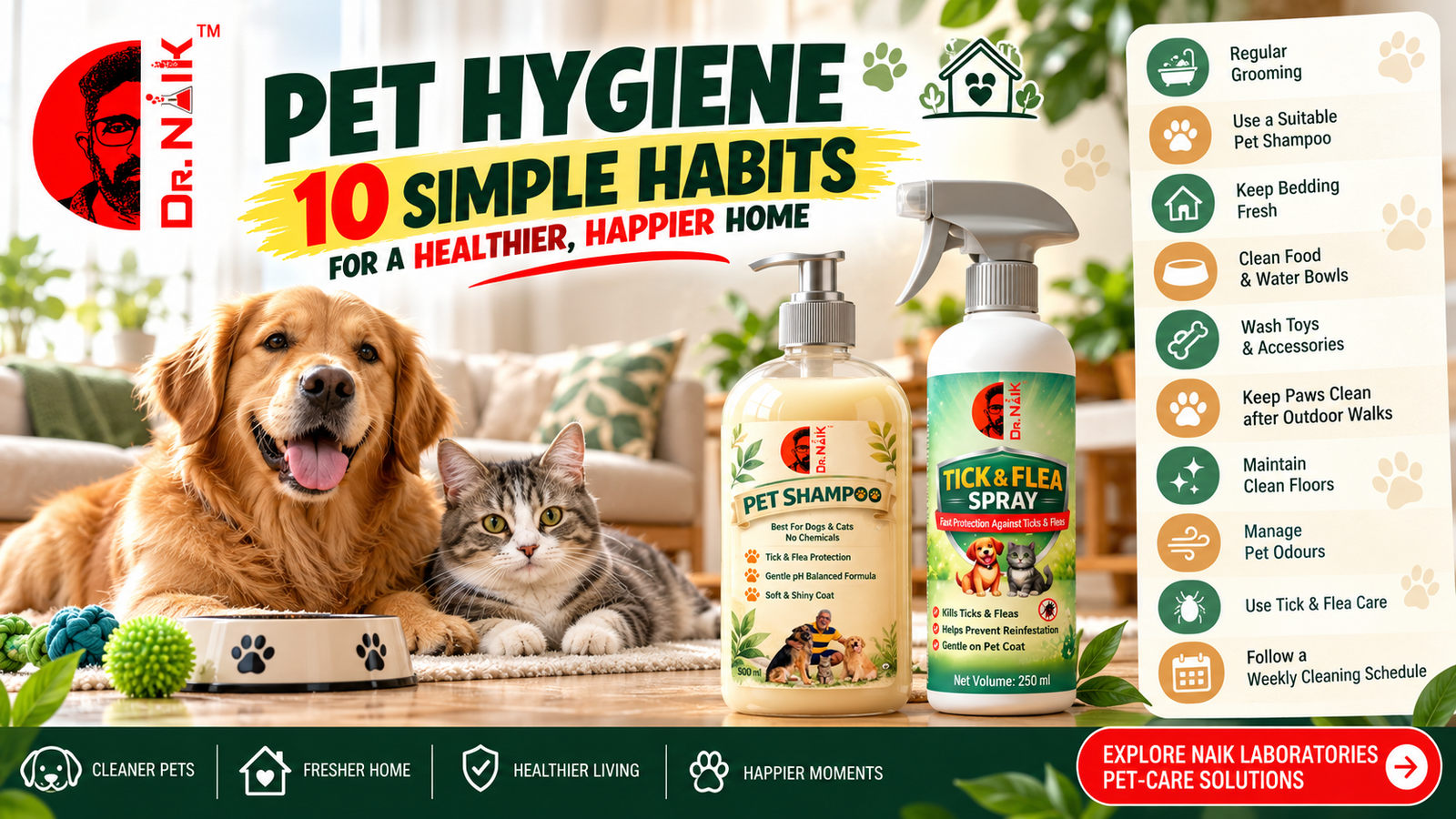
10 Essential Pet Hygiene Habits
1. Establish a Regular Grooming Routine
Regular pet grooming is one of the easiest ways to maintain your pet’s overall cleanliness. Brushing can help remove loose hair, dust and debris from the coat while also reducing the amount of loose fur around your home.
The appropriate grooming frequency depends on factors such as your pet’s coat type, lifestyle and grooming requirements.
A simple routine can include:
- Regular brushing
- Checking the coat for dirt or debris
- Keeping commonly soiled areas clean
- Checking paws after outdoor activities
- Maintaining clean grooming tools
Keeping grooming tools clean is equally important. Brushes, combs and other accessories should be cleaned according to their material and intended use.
2. Choose a Suitable Pet Shampoo
Bathing is an important part of pet cleaning, but it should be approached according to your pet’s individual needs.
When selecting a pet shampoo, consider the product’s intended use and follow the directions provided on the packaging. Avoid choosing a product simply because it has a strong fragrance or attractive packaging.
During bathing, make sure the coat is thoroughly wet before applying the appropriate amount of shampoo. Rinse carefully according to the product instructions and dry your pet properly afterward.
Bathing frequency can vary considerably between pets, so avoid creating an unnecessarily frequent bathing schedule unless advised by a qualified veterinary professional.
3. Keep Pet Bedding Fresh
Your pet’s bed, blanket or sleeping mat can collect fur, dust and everyday dirt over time. This makes bedding an important part of your household pet hygiene routine.
Wash removable bedding according to the manufacturer’s instructions. If the material cannot be washed frequently, regular vacuuming or brushing can help remove loose hair and surface debris.
It is also useful to inspect the area around the bed. Fur and dust can accumulate underneath furniture or around corners where your pet regularly sleeps.
A clean sleeping area contributes to a more organised clean home with pets.
4. Clean Food and Water Bowls Regularly
Food and water bowls are used every day, making them an important part of routine pet care.
Wash bowls regularly using an appropriate cleaning method for the bowl material. Rinse them thoroughly and allow them to dry before refilling.
Do not overlook the area surrounding the bowls. Food particles and water spills can leave residue on floors or mats.
Including the feeding station in your everyday cleaning routine makes pet hygiene easier to manage and keeps one of the most frequently used pet areas organised.
5. Clean Toys and Frequently Used Accessories
Toys, collars, leashes and other accessories can collect dirt through regular use.
Check the manufacturer’s cleaning instructions before washing or disinfecting any pet accessory. Some materials can be washed easily, while others may require a different cleaning method.
Create a simple rotation system if your pet has several toys. This allows you to clean frequently used items without removing all of your pet’s favourite accessories at once.
This small habit can make pet cleaning more systematic.
6. Keep Paws Clean After Outdoor Activities
Outdoor walks can expose your pet’s paws to dirt, dust and other debris. A quick paw check after returning home can therefore become a useful part of your pet hygiene routine.
Depending on the situation, gently clean the paws using a method appropriate for your pet and the material involved. Pay attention to areas between the paw pads where debris can sometimes collect.
Keeping a towel near the entrance can make this routine more convenient, particularly during wet weather.
It is also worth checking your pet’s coat after outdoor activities, especially if they have walked through areas containing mud, grass or loose debris.
7. Maintain Clean Floors and High-Traffic Areas
Pets often move repeatedly between different parts of the house. Floors can therefore become one of the biggest focus areas for household pet cleaning.
Regularly remove loose fur, dirt and debris from areas where your pet spends the most time.
Pay particular attention to:
- Entryways
- Living room floors
- Areas around pet beds
- Feeding areas
- Frequently used corridors
- Spaces underneath furniture
The exact cleaning frequency depends on the number of pets, flooring type and household routine. A practical clean home with pets strategy is to focus more frequently on high-traffic areas rather than treating every part of the house identically.
8. Pay Attention to Pet Odours
Odours can sometimes develop around bedding, feeding areas, toys or other frequently used spaces.
Rather than simply masking an odour with fragrance, identify the source first. Check bedding, flooring, food areas and other places where your pet spends considerable time.
Regular grooming, washing suitable fabrics and maintaining clean surroundings can help keep everyday odours under control.
If an unusual or persistent odour appears to come directly from your pet, it may be appropriate to consult a veterinarian rather than treating it only as a household cleaning issue.
This approach makes pet hygiene more comprehensive and practical.
9. Include Tick and Flea Care in Your Routine
Outdoor activity can make tick and flea prevention an important consideration for many pet owners.
Regularly inspect your pet and follow an appropriate prevention routine recommended for their individual needs. If you use a Tick & Flea Spray, read the product label carefully and follow its directions, including any precautions and application instructions.
Do not assume that one product or routine is appropriate for every animal. Dogs, cats and other pets can have different care requirements.
Keeping pet bedding and frequently used areas clean can also form part of an overall household routine.
For Naik Laboratories, Tick & Flea Spray can be included naturally within a broader pet-care product range, alongside everyday cleaning and grooming products.
10. Create a Weekly Pet-Care Cleaning Schedule
The easiest way to maintain consistent pet hygiene is to turn individual tasks into a simple schedule.
Instead of trying to clean everything on one day, divide tasks according to frequency.
Daily Tasks
- Check your pet’s paws after outdoor activities
- Clean food and water areas
- Remove visible fur and debris
- Keep frequently used spaces tidy
- Check sleeping areas
Weekly Tasks
- Clean pet bedding according to care instructions
- Clean suitable toys and accessories
- Groom your pet as appropriate
- Vacuum or clean high-traffic areas
- Inspect commonly used pet spaces
Periodic Tasks
- Deep-clean less frequently used areas
- Review grooming accessories
- Check pet bedding condition
- Reorganise pet-care supplies
- Review your overall cleaning schedule
A realistic schedule is easier to maintain than an overly complicated one.
Pet Hygiene and Maintaining a Clean Home
Living with pets does not mean constantly cleaning the entire house. The key is identifying the areas that receive the most activity and building those areas into your normal house cleaning routine.
For example, if your pet spends most of its time in the living room, bedroom and balcony, those spaces should receive more regular attention than unused rooms.
A practical routine can combine:
Pet grooming → Bedding care → Floor cleaning → Accessory cleaning → Feeding-area maintenance → Periodic deep cleaning
This approach helps connect pet care with everyday household maintenance.
Common Pet Hygiene Mistakes to Avoid
Even with a regular routine, some simple mistakes can make cleaning more difficult.
Cleaning Only When Dirt Is Visible
Pet-related dirt is not always immediately obvious. Regular maintenance is easier than waiting until surfaces or bedding become heavily soiled.
Ignoring Pet Accessories
Collars, toys, mats and grooming tools can also require cleaning. Concentrating only on the pet itself leaves an important part of the routine incomplete.
Using the Wrong Cleaning Product
Always check whether a cleaning product is suitable for the intended surface or item. Follow label instructions and keep cleaning products safely away from pets.
Overlooking High-Traffic Areas
Entryways, feeding zones and favourite sleeping spots often require more attention than rarely used parts of the home.
Creating an Unrealistic Schedule
A complicated routine is difficult to maintain. Start with a few consistent tasks and expand the schedule as needed.
How Naik Laboratories Can Support Your Pet-Care Routine
A well-planned pet hygiene routine combines everyday pet care with practical household cleaning.
Naik Laboratories offers pet-care solutions that can be incorporated into different stages of this routine. For pet owners looking at bathing and grooming, Pet Shampoo can be considered as part of an appropriate bathing routine, while Tick & Flea Spray can be incorporated into tick and flea-care practices according to its product directions.
The right products should always be selected according to your pet’s individual requirements and the instructions provided on the product label.
Build a Better Pet-Care Routine
Good pet hygiene does not have to mean spending hours cleaning every day. Consistency is more important than complexity.
Start with the basics: maintain your pet’s grooming routine, keep bedding and feeding areas clean, pay attention to paws and high-traffic areas, clean suitable accessories and establish a realistic household schedule.
By combining these habits, pet owners can make everyday pet cleaning more manageable while creating a more organised and comfortable living environment.
Explore Naik Laboratories Pet-Care Solutions
Looking for practical products to support your everyday pet-care routine?
Explore Naik Laboratories pet-care solutions, including Pet Shampoo and Tick & Flea Spray, and build a cleaning and grooming routine that works for your home and your pet.