
Hand Hygiene at Workplace: How Offices Can Build Better Daily Hygiene Habits
A clean office is about more than tidy desks and organized workspaces. Everyday hygiene practices also play an important role in maintaining a comfortable and well-managed workplace environment. Among these practices, hand hygiene at workplace settings deserves consistent attention because employees regularly share workspaces, equipment, meeting rooms, washrooms and other commonly used areas.
For offices, commercial buildings and facility managers, creating convenient hand-washing facilities and encouraging good hygiene habits can become an important part of an overall workplace hygiene program.
The goal is not complicated. Offices can focus on accessible hand-wash stations, appropriate supplies, regular cleaning and simple employee awareness to make everyday hygiene easier.
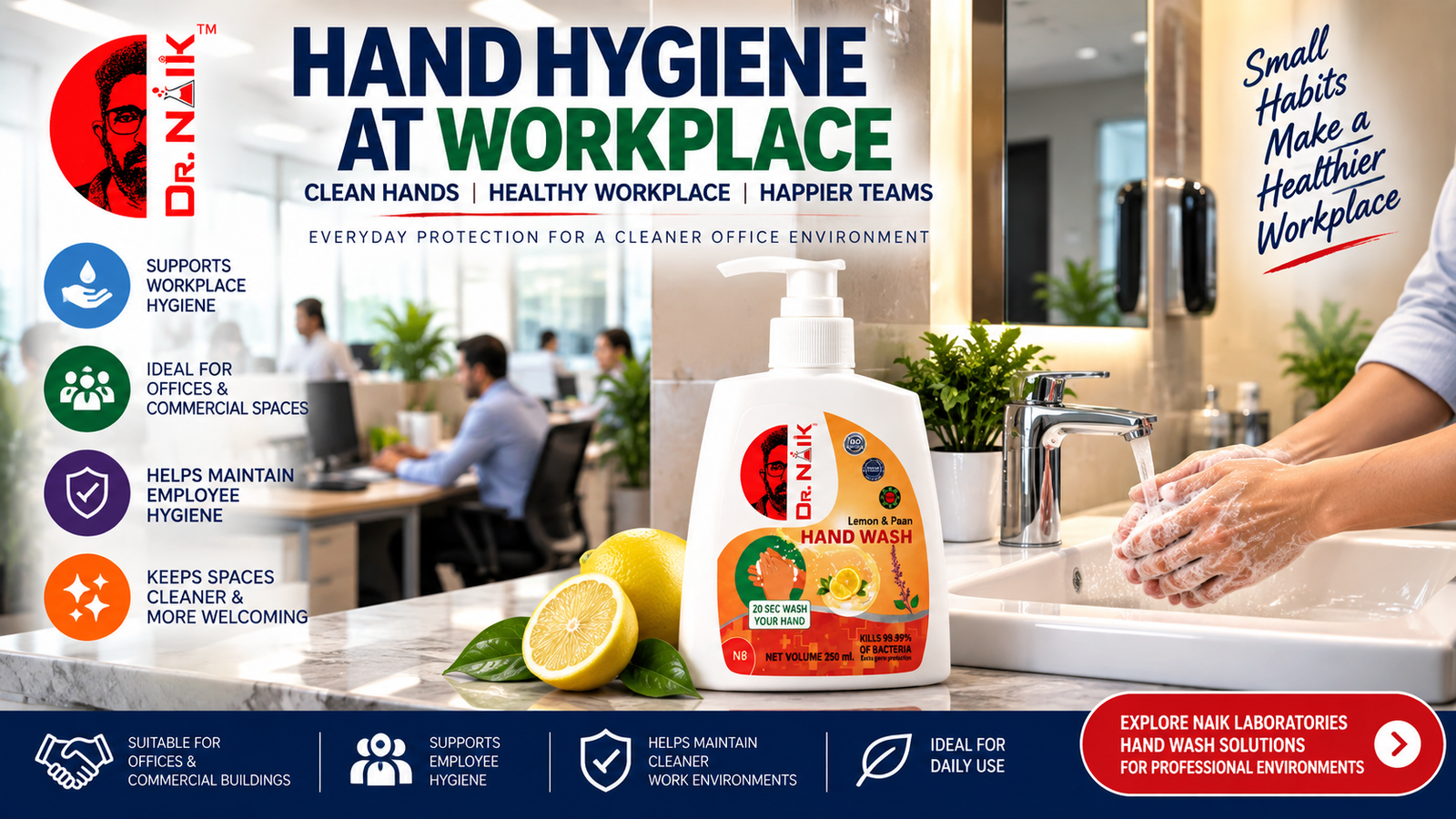
Why Hand Hygiene Matters in the Workplace
Employees interact with numerous shared surfaces throughout a typical working day. Door handles, elevator buttons, keyboards, desks, meeting-room equipment and washroom fixtures are just some of the frequently touched areas in an office.
Good personal hygiene practices can complement regular cleaning and help create a more comfortable shared environment.
A workplace hygiene program should therefore consider both:
- Cleaning frequently used areas
- Providing convenient hand-washing facilities
- Maintaining washrooms properly
- Keeping hand-wash supplies available
- Encouraging employees to follow everyday hygiene habits
When these elements work together, hygiene becomes part of the normal office routine rather than an occasional activity.
1. Make Hand-Wash Stations Easy to Access
Convenience matters.
If employees have to search for a washroom or walk a long distance to find hand-washing facilities, maintaining consistent habits can become more difficult.
A properly maintained hand wash station should be easy to locate and adequately supplied. Depending on the workplace layout, offices may have hand-washing facilities in washrooms, pantry areas or other appropriate locations.
Facility managers should regularly check:
- Liquid hand wash availability
- Sink cleanliness
- Water availability
- Soap dispensers
- Paper towels or suitable hand-drying facilities
- General condition of the surrounding area
A clean and well-stocked station makes everyday hygiene more convenient.
2. Keep Liquid Hand Wash Available
One of the simplest steps an office can take is ensuring that liquid hand wash is consistently available.
Empty dispensers can quickly undermine an otherwise well-maintained washroom. Regular checks should therefore be included in the facility team’s routine.
For busy commercial offices, facilities teams can establish a simple replenishment schedule based on:
- Number of employees
- Washroom usage
- Number of washrooms
- Working hours
- Visitor traffic
- Consumption patterns
The objective is straightforward: employees should not routinely encounter an empty dispenser when they need to wash their hands.
3. Encourage Hand Washing at Appropriate Times
Office hygiene does not require complicated rules. Employees can be encouraged to make hand washing part of their normal routine at appropriate times.
For example, hand washing can be incorporated into routines:
- Before eating or handling food
- After using the washroom
- After activities that leave hands visibly dirty
- After cleaning activities
- When returning from certain outside activities
- Whenever hands need cleaning during the workday
These simple habits can support better employee hygiene without disrupting normal office operations.
4. Pay Attention to Frequently Touched Areas
Hand hygiene works alongside environmental cleaning.
An office can have well-maintained washrooms, but frequently touched surfaces also require regular attention. Facility teams should identify high-touch areas and include them in their cleaning schedules.
Common examples include:
- Door handles
- Elevator buttons
- Stair railings
- Light switches
- Shared equipment
- Reception counters
- Meeting-room tables
- Pantry handles
- Common-area furniture
Regular cleaning of these areas contributes to overall office cleanliness and complements personal hygiene practices.
5. Maintain Clean Office Washrooms
The washroom is one of the most important areas in any workplace hygiene program.
A well-maintained washroom should have a consistent cleaning schedule covering sinks, taps, counters, floors, mirrors and other appropriate surfaces.
Facility teams should also inspect washrooms throughout the working day when usage is high.
A basic inspection can check:
Cleanliness → Supplies → Fixtures → Waste → Replenishment
This simple process can help identify issues before they become noticeable to a large number of employees or visitors.
6. Make Hygiene Supplies Part of Facility Management
Workplace hygiene becomes easier to manage when supplies are treated as part of routine facility operations.
Facility managers can maintain an inventory of essential items such as:
- Liquid hand wash
- Hand-drying supplies
- Cleaning products
- Waste bags
- Surface-cleaning materials
- Washroom maintenance supplies
Stock levels should be reviewed according to actual consumption rather than relying only on fixed assumptions.
This approach can help reduce situations where essential hygiene supplies unexpectedly run out.
7. Encourage Good Employee Hygiene Habits
Products and facilities are only one part of the equation.
Employees also play an important role in maintaining a clean workplace. Simple internal reminders can help keep hygiene practices visible without making them complicated.
Offices can use:
- Washroom reminders
- Internal communication
- Hygiene signage
- New-employee orientation
- Facility announcements
- Workplace awareness campaigns
The messaging should remain simple and practical.
The aim is to make good hygiene habits a normal part of the working day.
8. Include Hand Hygiene in Workplace Cleaning Policies
Companies with dedicated facility teams can include hand hygiene within their broader workplace cleaning policies.
A workplace hygiene policy can define:
- Washroom cleaning frequency
- Hand-wash dispenser checks
- High-touch surface cleaning
- Supply replenishment
- Waste management
- Cleaning responsibilities
- Inspection procedures
Having these responsibilities clearly documented can make facility management more consistent.
9. Choose Suitable Hand-Wash Products
Choosing the right product is another important consideration for offices.
A workplace may have significantly different requirements from a household. High-traffic commercial facilities can require regular replenishment and consistent availability.
When evaluating hand-wash products, facility managers can consider:
- Product format
- Dispenser compatibility
- Packaging size
- Usage frequency
- Replenishment requirements
- User experience
- Storage requirements
- Overall facility needs
The right choice depends on the size and requirements of the workplace.
10. Connect Hand Hygiene With Overall Office Cleanliness
Hand hygiene at workplace environments should not be treated as an isolated activity.
It works best as part of a broader cleaning system that includes washrooms, workspaces, common areas, pantry areas and frequently touched surfaces.
For example:
Clean Washrooms + Available Hand Wash + Regular Surface Cleaning + Employee Awareness = A More Consistent Workplace Hygiene Routine
This integrated approach allows facility managers to look at hygiene from an operational perspective rather than focusing on individual cleaning tasks separately.
Workplace Hygiene Checklist for Facility Managers
A simple checklist can help commercial offices maintain consistency.
| Area | What to Check |
|---|---|
| Hand-wash stations | Clean, accessible and stocked |
| Soap dispensers | Filled and functioning |
| Sinks | Clean and free from visible residue |
| Washroom surfaces | Included in cleaning schedule |
| High-touch surfaces | Cleaned regularly |
| Hand-drying facilities | Available and replenished |
| Waste bins | Emptied as required |
| Hygiene signage | Visible where appropriate |
| Cleaning supplies | Adequate stock maintained |
| Facility inspections | Performed according to workplace needs |
This checklist can be adapted according to office size, employee numbers and building usage.
Common Workplace Hygiene Mistakes to Avoid
Even offices with regular cleaning programs can experience avoidable problems.
Empty Hand-Wash Dispensers
A dispenser that is regularly empty can make a hygiene facility less useful. Replenishment should therefore be part of routine inspections.
Cleaning Only Once a Day
Some high-traffic areas may require attention more frequently depending on usage. Cleaning schedules should reflect actual workplace activity.
Ignoring Shared Areas
Meeting rooms, reception areas, pantries and shared equipment can be overlooked when cleaning focuses primarily on desks and floors.
No Clear Responsibility
If nobody is responsible for checking supplies and cleaning standards, small issues can remain unresolved.
Choosing Products Without Considering Usage
A product may work well in one environment but may not be practical for a high-traffic commercial facility. Facility requirements should guide purchasing decisions.
Building a Better Daily Hygiene Routine
A successful workplace hygiene program does not necessarily need to be complicated.
A practical routine can begin with three areas:
Morning
Check washrooms, hand-wash stations, common areas and essential supplies before peak office activity.
During the Workday
Inspect high-use areas and replenish supplies when required.
End of Day
Complete scheduled cleaning tasks and prepare washrooms and shared areas for the following working day.
The exact schedule can be adjusted according to the size and usage of the facility.
How Naik Laboratories Can Support Workplace Hygiene
Professional workplaces need cleaning and hygiene solutions that fit their operational requirements.
Naik Laboratories offers cleaning and personal-care solutions that can be considered for different commercial environments, including products designed around everyday cleaning and hand-washing requirements.
For offices, facility managers and commercial buildings, selecting suitable products is only one part of the process. Consistent cleaning procedures, proper product usage, regular replenishment and employee awareness all contribute to an organized hygiene program.
Looking to improve everyday workplace hygiene? Explore Naik Laboratories’ professional hand-wash solutions and choose products suited to your facility’s requirements.
Conclusions
Maintaining hand hygiene at workplace environments is a practical part of creating a cleaner and more organized office.
From accessible hand-wash stations and regularly replenished supplies to clean washrooms and consistent surface maintenance, small operational improvements can make everyday hygiene easier for employees and facility teams.
For offices, commercial buildings and facility managers, the key is consistency. A well-planned office hand hygiene routine, supported by suitable products and regular facility checks, can become a simple and sustainable part of everyday workplace management.