
Home Hygiene: 15 Essential Cleaning Habits for a Healthier-Looking Home
A clean and well-maintained home is not only about how a space looks. Consistent home hygiene is also about creating practical cleaning habits that keep everyday areas fresh, organized and comfortable to use.
From kitchen counters and bathroom surfaces to frequently touched areas, different parts of the home require different cleaning approaches. Trying to clean everything at once can make household maintenance feel difficult, while a simple routine can make everyday cleaning much more manageable.
The key is consistency.
A practical home hygiene routine does not necessarily require hours of cleaning every day. Instead, small tasks performed regularly can help prevent dirt, residue, stains and buildup from becoming harder to manage.
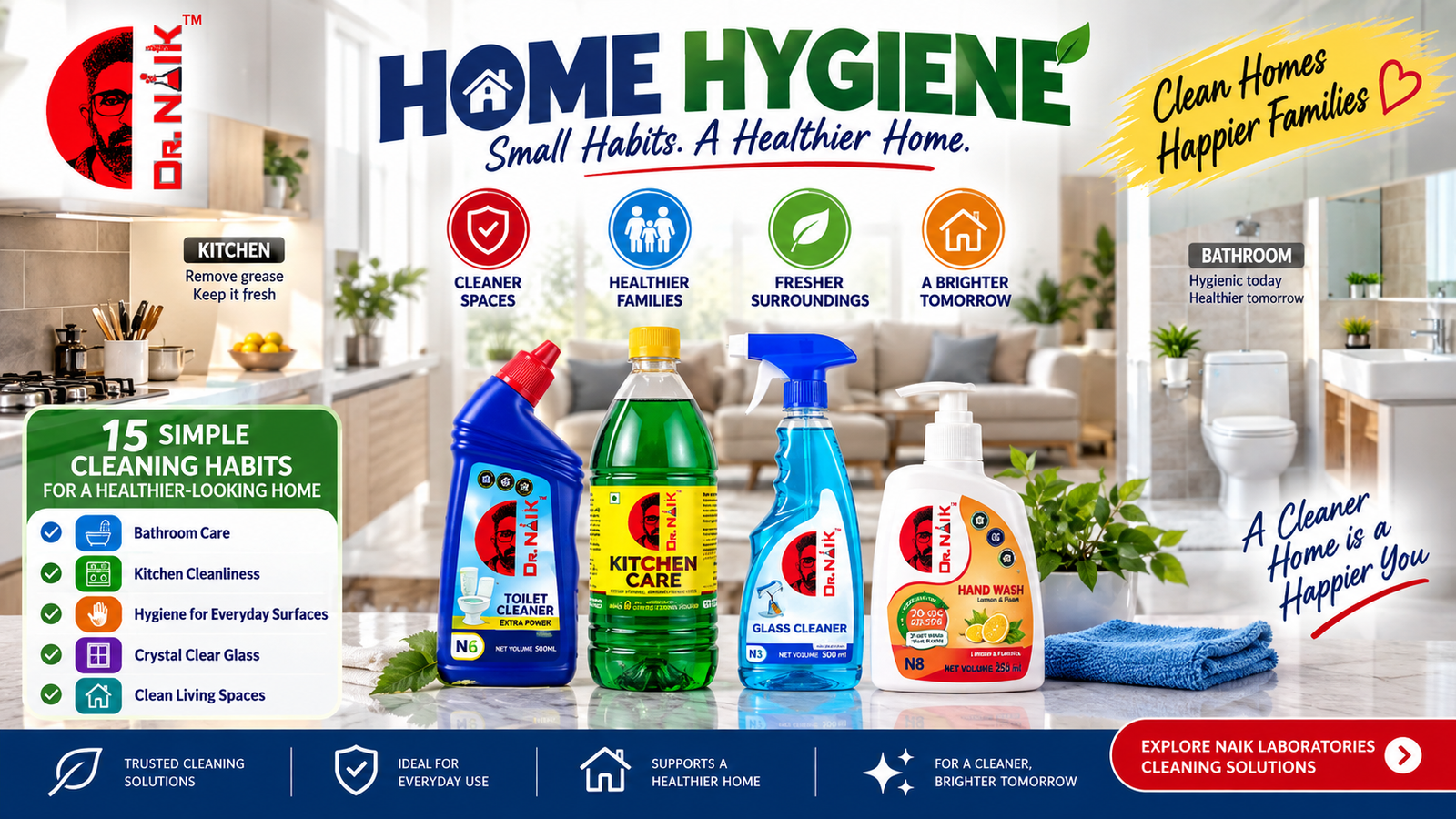
Here are 15 essential cleaning habits that can help you maintain a cleaner-looking and more organized home.
1. Start With a Daily Cleaning Routine
One of the easiest ways to maintain home hygiene is to create a simple daily routine.
Instead of allowing cleaning tasks to accumulate, divide them into smaller activities. Wipe commonly used surfaces, clean visible spills, organize frequently used items and keep kitchen and bathroom areas reasonably tidy.
A few minutes of cleaning each day can make larger cleaning sessions easier.
Your routine can include:
- Wiping kitchen counters
- Cleaning visible spills
- Keeping sinks clear
- Wiping frequently touched surfaces
- Tidying living areas
- Checking bathroom surfaces
The goal is consistency rather than trying to make the entire home spotless every day.
2. Keep Kitchen Surfaces Clean
The kitchen is one of the busiest areas in most homes. Food preparation, cooking and frequent handling can leave behind grease, crumbs and other residues.
Good home hygiene in the kitchen starts with regularly cleaning countertops, stovetops, cabinet handles and other frequently used surfaces.
Pay particular attention to areas around cooking equipment because grease can gradually build up when surfaces are not cleaned regularly.
A suitable kitchen cleaning solution can make routine surface cleaning more convenient.
3. Clean the Stovetop Regularly
The stovetop can quickly collect oil splashes, food particles and grease buildup.
Leaving these residues for too long can make them more difficult to remove later. Include the stovetop in your regular home hygiene schedule rather than waiting for heavy buildup.
After cooking, allow appropriate surfaces to cool according to the appliance manufacturer’s instructions. Then clean them using a suitable product and compatible cloth or cleaning tool.
Regular maintenance can reduce the need for intensive cleaning later.
4. Give the Bathroom Regular Attention
Bathrooms require consistent cleaning because they are exposed to water, moisture, soap residue and everyday use.
A practical bathroom routine should include the toilet, sink, taps, surrounding surfaces and other commonly used areas.
For better home hygiene, avoid treating bathroom cleaning as an occasional task. A regular schedule can help prevent visible buildup from becoming a larger cleaning challenge.
Depending on the surface, use an appropriate bathroom or toilet-care product and follow the product instructions.
5. Maintain Toilet Hygiene
The toilet is one of the most important areas to include in your cleaning checklist.
Regular toilet cleaning helps manage visible stains, residue and buildup while keeping the bathroom looking fresher.
When practicing home hygiene, pay attention not only to the visible bowl but also to surrounding areas such as the seat, lid, flush area and nearby floor.
A dedicated toilet-cleaning solution can be incorporated into your regular bathroom-care routine.
6. Do Not Ignore Frequently Touched Surfaces
Some surfaces are touched repeatedly throughout the day but are easy to overlook during routine cleaning.
Examples include:
- Door handles
- Light switches
- Cabinet handles
- Drawer pulls
- Remote controls
- Appliance controls
- Frequently used taps
Including these areas in your home hygiene checklist can make your overall cleaning routine more comprehensive.
The frequency can depend on how often each surface is used and the needs of your household.
7. Keep Glass and Mirrors Clear
Windows, mirrors and other glass surfaces can quickly show fingerprints, dust, water spots and streaks.
Good home hygiene also includes maintaining these visible surfaces because clean glass can make rooms appear brighter and better maintained.
Use an appropriate glass cleaner together with a clean microfiber cloth or suitable cleaning tool. Avoid using excessively dirty cloths because they can redistribute dust and residue rather than removing it.
For best results, follow the instructions provided with your chosen glass-cleaning product.
8. Use the Right Cleaning Product for the Surface
Not every cleaning product is designed for every surface.
One of the most important hygiene tips is to select products according to the cleaning task. A toilet-care product, glass cleaner, kitchen cleaner and hand wash may each have different intended uses.
Before using any cleaning solution:
- Check the product label.
- Confirm the intended surface or application.
- Follow dilution instructions where applicable.
- Use appropriate cleaning tools.
- Avoid mixing different cleaning chemicals unless the manufacturer specifically states that it is safe.
Using products appropriately makes your cleaning routine more organized.
9. Keep Cleaning Cloths and Tools Clean
Your cleaning tools can affect the quality of your cleaning routine.
A cloth that has already collected dirt or grease may simply spread residue from one surface to another. For effective home hygiene, use clean and appropriate cloths for different cleaning tasks.
Wash reusable cloths according to their material and intended care instructions. Replace worn-out cleaning tools when necessary.
It can also be useful to keep separate cleaning tools for areas such as kitchens and bathrooms.
10. Clean Spills as Soon as Practical
Spills are easier to manage when they are addressed promptly.
Food, beverages, oil and other substances can leave residue if they remain on a surface for an extended period. Adding quick spill cleanup to your home hygiene routine can help keep surfaces looking cleaner.
For kitchen surfaces especially, wipe spills using a suitable cleaning method for the material.
Quick maintenance also reduces the amount of accumulated cleaning work at the end of the day.
11. Pay Attention to Kitchen Sinks
Kitchen sinks can become overlooked because they are already part of the cleaning process.
However, food particles, grease and residue can collect around the basin, drain area, taps and surrounding countertop.
As part of your home hygiene routine, rinse away visible debris and clean the sink and surrounding surfaces regularly using an appropriate product.
Keeping this area maintained can also make the entire kitchen feel cleaner and more organized.
12. Keep Bathrooms Dry and Well Maintained
Regular cleaning is important, but basic maintenance also matters.
After using a bathroom, where practical, allow surfaces to dry and maintain adequate ventilation. Wipe visible water from suitable surfaces when necessary and avoid allowing unnecessary moisture to remain on fixtures.
These simple hygiene tips can complement your regular bathroom-cleaning routine.
Remember that different surfaces require different care, so always follow manufacturer recommendations for fixtures and materials.
13. Organize Your Cleaning Supplies
A cleaning routine becomes easier when the necessary supplies are easy to find.
Keep your cleaning products organized in a suitable storage area and group them according to their intended use.
For example, your household cleaning supplies may include:
- Toilet cleaner
- Kitchen cleaner
- Glass cleaner
- Surface-cleaning products
- Hand wash
- Microfiber cloths
- Sponges or suitable cleaning tools
Always store cleaning products safely and follow label instructions, especially when children or pets are present in the household.
14. Create a Weekly Cleaning Checklist
Daily maintenance can handle smaller tasks, but a weekly checklist can help you cover areas that need more attention.
A useful checklist may include:
Kitchen
- Stovetop
- Countertops
- Sink
- Cabinet fronts
- Appliance surfaces
Bathroom
- Toilet
- Sink
- Taps
- Mirrors
- Floors
Living Areas
- Frequently touched surfaces
- Glass surfaces
- Furniture surfaces
- Floors
- Frequently used objects
A weekly checklist makes home hygiene easier to manage because you can divide larger cleaning tasks instead of completing everything in one session.
15. Choose a Complete Cleaning Routine
The final step is to think of cleaning as a complete routine rather than a collection of unrelated tasks.
A home hygiene plan can combine daily maintenance, weekly cleaning and occasional deeper cleaning.
For example:
Daily
- Wipe kitchen surfaces
- Clean visible spills
- Maintain frequently used areas
- Keep bathroom surfaces tidy
Weekly
- Clean the toilet thoroughly
- Clean glass and mirrors
- Deep-clean kitchen surfaces
- Clean frequently touched areas
Periodically
- Clean less frequently used surfaces
- Review cleaning supplies
- Wash or replace reusable cleaning tools
- Organize storage areas
This approach makes household hygiene more structured and easier to maintain.
How to Choose Cleaning Products for Your Home
Choosing suitable cleaning products is an important part of an effective cleaning routine.
Instead of buying products without considering their purpose, think about the surfaces and tasks you regularly need to manage.
For a basic household cleaning kit, you may consider categories such as:
Toilet Cleaner
Useful for maintaining toilet bowls and bathroom-care routines.
Kitchen Cleaner
Suitable for routine kitchen cleaning and managing everyday grease and residue, depending on the product’s intended use.
Glass Cleaner
Designed for cleaning suitable glass surfaces such as windows and mirrors.
Hand Wash
A convenient option for maintaining hand-cleaning routines around frequently used sinks.
The objective is not to collect unnecessary products. It is to build a practical set of home cleaning essentials that matches your household’s regular needs.
Common Home Cleaning Mistakes to Avoid
Even with a regular routine, certain habits can make cleaning less effective.
Using Too Much Product
More product does not automatically mean better cleaning. Follow the recommended usage instructions.
Using the Same Dirty Cloth Everywhere
A dirty cloth can transfer residue between surfaces. Use clean tools and maintain them properly.
Ignoring Small Areas
Handles, switches, taps and other frequently touched surfaces can easily be forgotten.
Waiting for Heavy Buildup
Regular maintenance is generally easier than dealing with accumulated dirt and residue.
Mixing Cleaning Chemicals
Do not mix cleaning products unless the manufacturer specifically confirms that doing so is safe.
Ignoring Product Instructions
Always check labels for intended applications, dilution requirements, precautions and surface compatibility.
Building a Simple Home Cleaning Checklist
A practical checklist can make home hygiene much easier to maintain.
You can divide your routine into four simple categories:
| Area | Regular Tasks |
|---|---|
| Kitchen | Counters, stovetop, sink, appliance surfaces |
| Bathroom | Toilet, sink, taps, mirrors, floors |
| Glass | Windows, mirrors and suitable glass surfaces |
| Everyday Areas | Handles, switches, frequently touched surfaces |
This structure can be adjusted according to the size of your home, number of occupants and everyday cleaning requirements.
Why Consistency Matters
The biggest advantage of a structured home hygiene routine is consistency.
Cleaning does not have to mean spending an entire day working through every room. Smaller tasks performed regularly can help keep dirt, residue and visible buildup under control.
A good routine should be realistic enough to follow.
Start with the areas that are used most frequently, identify the surfaces that need regular attention and choose suitable products for each task. Over time, these daily cleaning habits can become a natural part of household maintenance.
Explore Naik Laboratories Cleaning Solutions
A complete cleaning routine can be easier to manage when you have suitable products for different areas of the home.
Naik Laboratories offers cleaning-care categories designed around everyday household requirements, including solutions for areas such as bathrooms, kitchens, glass surfaces and hand-care routines.
Whether you are maintaining the kitchen, refreshing bathroom surfaces, cleaning glass or keeping frequently used sinks ready for everyday hand washing, choosing the appropriate product category can help organize your cleaning routine.
Explore Naik Laboratories’ range of cleaning solutions and build a complete cleaning routine for your home.
Conclusion
Good home hygiene does not depend on one major cleaning session. It comes from consistent habits, suitable cleaning products and attention to the areas that are used every day.
From kitchen counters and stovetops to toilets, mirrors, glass surfaces and frequently touched areas, each part of the home can benefit from a simple and organized cleaning schedule.
Start with these 15 habits, create a realistic checklist and adjust the routine to suit your household.
A cleaner-looking home begins with small, consistent steps.