
Drain Cleaner: Powerful Ways to Prevent Kitchen Sink Clogs and Bad Odours
The kitchen sink is one of the most frequently used areas in any home. From washing vegetables and dishes to rinsing cooking utensils, the drain handles a constant flow of water and residue throughout the day. Over time, food particles, grease and other buildup can collect inside the drainage system, potentially slowing water flow and creating unpleasant odours.
The good news is that regular drain cleaner use, combined with simple maintenance habits, can form an effective preventive cleaning routine. Instead of waiting until water drains slowly or a serious blockage develops, homeowners can take practical steps to keep the sink and drain cleaner, fresher and easier to maintain.
In this guide, we will look at common causes of kitchen drain problems, useful drain cleaning tips, preventive habits and how choosing an appropriate cleaning solution can support regular kitchen care.
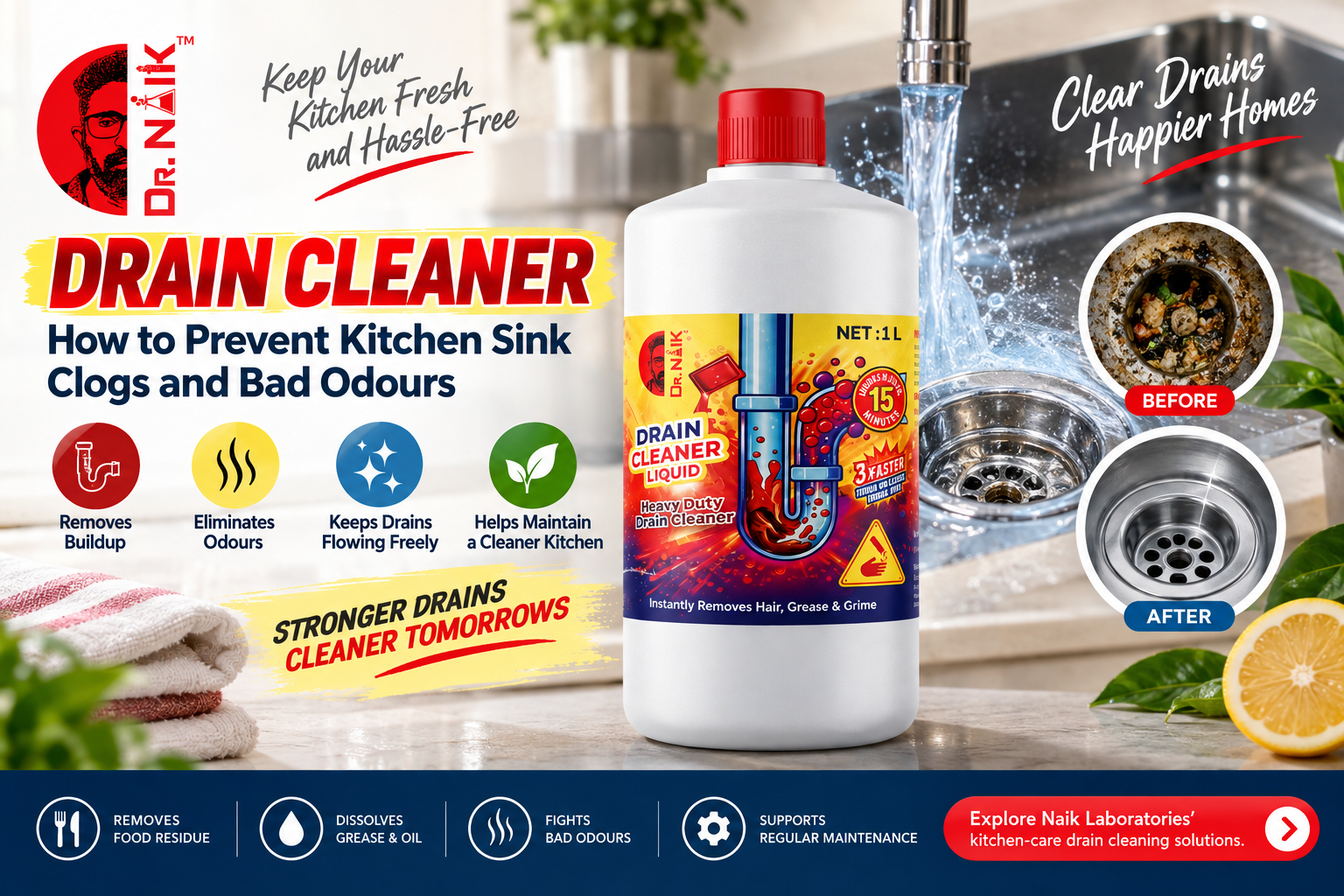
Why Kitchen Drain Maintenance Matters
A kitchen drain does more than simply carry wastewater away. It is exposed to food residue, oils, grease and other substances that may gradually accumulate inside the drainage pathway.
When this buildup is ignored, several problems can develop:
- Water may begin draining more slowly.
- Food residue can contribute to unpleasant smells.
- Grease and other deposits may accumulate over time.
- Minor buildup can eventually contribute to a clogged drain.
- Regular cleaning can become more difficult when residue is allowed to accumulate.
This is why drain maintenance should be treated as part of routine kitchen cleaning rather than something to consider only when a blockage occurs.
A consistent approach can help keep the sink area more pleasant and make everyday kitchen cleaning easier.
What Causes Kitchen Sink Clogs?
Understanding what goes into the sink is an important part of prevention. Many kitchen drainage problems begin with materials that should ideally be kept out of the drain.
1. Food Residue
Small pieces of rice, vegetables, grains, fruit skins and other food particles can enter the sink during washing or dish cleaning. Even when individual particles seem insignificant, repeated accumulation can contribute to buildup.
Using a sink strainer and removing visible food particles before washing dishes can reduce the amount of residue entering the drain.
2. Grease and Oily Residue
Grease and cooking oils are another common concern. Liquid oil may flow through the drain when warm, but it can contribute to deposits as it cools and combines with other residue.
Avoid pouring used cooking oil or large amounts of grease directly into the sink. Collecting it separately for appropriate disposal is a much better maintenance habit.
3. Soap and Cleaning Residue
Depending on the kitchen setup and washing habits, detergent or other residues can also accumulate alongside food particles and grease.
Regular sink drain cleaning helps address the buildup before it becomes a larger maintenance concern.
4. Everyday Dirt and Debris
The kitchen sink can collect dirt from vegetables, utensils, cookware and other items. Even a small amount of debris entering the drain every day can add up over time.
A simple cleaning routine can therefore make a meaningful difference.
5 Practical Drain Cleaning Tips for Kitchen Maintenance
Preventive cleaning does not have to be complicated. A few consistent habits can help maintain the kitchen sink and reduce the likelihood of drainage problems.
1. Remove Food Particles Before Washing
One of the simplest preventive measures is also one of the most useful.
Before placing plates, cookware or food preparation items into the sink, remove leftover food into the appropriate waste container. A sink strainer can also help catch smaller particles.
This reduces the amount of solid residue that reaches the drainage system.
2. Avoid Pouring Grease Directly Into the Sink
Cooking grease should not become a regular part of your kitchen drain’s waste.
Instead of washing large amounts of oil or grease into the sink, wipe greasy cookware with a suitable disposable material before washing when appropriate. Collect larger quantities of used cooking oil separately for proper disposal.
Reducing grease entering the drain can help minimize one important source of buildup.
3. Keep the Drain Area Clean
Drain maintenance should include the visible area around the sink opening.
Remove trapped food particles and rinse away loose residue during routine kitchen cleaning. Keeping the area around the drain clean also makes it easier to notice early signs of buildup or slow drainage.
A clean sink should not only look good—it should also be part of a consistent kitchen-care routine.
4. Use a Suitable Cleaning Solution
A suitable drain cleaner can be incorporated into a regular maintenance routine according to the product’s intended use and directions.
Naik Laboratories offers Drain Cleaner Powder and Drain Cleaner Liquid, providing options for kitchen-care cleaning routines. When selecting between products, always follow the specific product instructions, recommended quantity and usage precautions.
The goal of preventive cleaning is to address residue and buildup before the drain becomes a more difficult cleaning problem.
5. Pay Attention to Early Warning Signs
Don’t wait for a completely blocked sink before taking action.
Signs that your kitchen drain may need attention include:
- Water taking longer than usual to drain
- Occasional pooling around the drain
- Unpleasant odours coming from the sink
- Visible residue around the drain opening
- Repeated slow drainage after normal use
Early attention can make routine drain maintenance much easier than dealing with a heavily blocked drainage system.
How to Deal With Bad Odours From the Kitchen Drain
Unpleasant kitchen sink smells can make an otherwise clean kitchen feel less fresh. Odours may develop when food particles, grease and other residue remain in or around the drainage pathway.
Regular cleaning can help reduce the accumulation of materials responsible for these smells.
A good odour-prevention routine includes:
- Removing food waste before washing dishes
- Cleaning the sink and drain opening regularly
- Avoiding disposal of large amounts of grease through the sink
- Using an appropriate cleaning solution according to its instructions
- Addressing slow drainage promptly
- Keeping the surrounding sink area clean and dry
Rather than relying on fragrance alone to deal with unpleasant smells, maintaining the source of the problem is a more practical approach to kitchen care.
Kitchen Drain Cleaner: What Should You Look For?
When choosing a kitchen drain cleaner, consider how the product fits into your cleaning requirements and routine.
Product Format
Drain cleaning products may be available in different formats, such as powder and liquid. The appropriate format depends on the product instructions and your preferred cleaning routine.
Naik Laboratories’ Drain Cleaner Powder and Drain Cleaner Liquid can be considered as part of a kitchen drain maintenance approach.
Clear Usage Instructions
A good cleaning product should have clear instructions regarding:
- Recommended quantity
- Application method
- Contact or waiting time, where applicable
- Rinsing requirements
- Safety precautions
- Suitable applications
Always read and follow the instructions provided with the specific product.
Convenient Routine
Kitchen cleaning needs to fit into everyday life. A product that is straightforward to use can make regular maintenance easier to incorporate into a household cleaning schedule.
Drain Cleaner Powder vs. Drain Cleaner Liquid
Both powder and liquid formats can be useful depending on the intended application and the manufacturer’s instructions.
Drain Cleaner Powder
Drain Cleaner Powder can be a convenient option for households that prefer a powder-based format for their drain-care routine.
Before use, check the product label for the correct quantity, application method and safety instructions.
Drain Cleaner Liquid
Drain Cleaner Liquid offers a liquid-format alternative for kitchen drain maintenance. As with any cleaning product, the recommended method of use should be followed carefully.
The choice between powder and liquid should be based on the specific product instructions, household requirements and preferred cleaning routine rather than simply choosing one format for every situation.
Common Mistakes to Avoid During Drain Maintenance
Even regular cleaning can be less effective if basic precautions are overlooked.
Pouring Grease Into the Drain
Large amounts of cooking oil and grease should not be routinely poured into the sink.
Ignoring Small Food Particles
Tiny food scraps can accumulate over repeated use. Using a strainer and clearing visible residue can help reduce this issue.
Waiting Until the Drain Is Completely Blocked
Preventive cleaning is generally easier than trying to deal with a heavily obstructed drain.
Using Too Much Cleaning Product
More product does not automatically mean better cleaning. Follow the quantity and usage instructions provided by the manufacturer.
Mixing Cleaning Products
Avoid mixing different drain or household cleaning products unless the manufacturer specifically states that they are compatible. Unexpected chemical reactions can create safety hazards.
Ignoring Product Instructions
Different formulations can have different application methods and precautions. Always read the label before use.
How Often Should You Maintain Your Kitchen Drain?
There is no single schedule that works for every household. The ideal frequency depends on how heavily the kitchen sink is used and the amount of food and grease that typically passes through it.
However, a practical routine can include:
Daily:
Remove visible food residue and avoid sending large amounts of grease into the drain.
Regularly:
Clean the sink, drain opening and surrounding area.
As part of your cleaning routine:
Use an appropriate drain-care product according to its instructions.
When needed:
Address signs such as slow drainage or unpleasant odours before they become more persistent.
The important principle is consistency. Small maintenance actions performed regularly can help keep kitchen drainage easier to manage.
Make Drain Maintenance Part of Your Kitchen Cleaning Routine
Kitchen cleaning is often focused on countertops, stovetops, cabinets and appliances. The sink and drainage system can easily be overlooked because much of the buildup occurs out of sight.
However, the drain deserves attention just like other frequently used kitchen areas.
A simple routine can combine:
- Removing food waste before washing.
- Keeping grease out of the drain.
- Cleaning the sink and drain opening.
- Watching for slow drainage or unpleasant smells.
- Using an appropriate cleaning solution when required.
- Following product instructions carefully.
This approach makes drain maintenance a normal part of kitchen care rather than an emergency cleaning task.
Why Preventive Drain Cleaning Is Better Than Waiting for a Problem
A completely blocked drain can disrupt everyday kitchen activities. Washing dishes becomes inconvenient, standing water can accumulate and unpleasant odours may become more noticeable.
Preventive care focuses on addressing residue and buildup as part of a regular routine.
Using a suitable drain cleaner at the appropriate time, along with responsible disposal habits and regular sink cleaning, can help maintain a cleaner and fresher kitchen sink.
The objective is simple: don’t wait until a minor maintenance issue becomes a major inconvenience.
Choose the Right Drain-Care Solution for Your Kitchen
Every kitchen has different cleaning requirements. The amount of cooking, frequency of sink use and types of residue entering the drain can all influence your maintenance routine.
Naik Laboratories provides kitchen-care solutions including Drain Cleaner Powder and Drain Cleaner Liquid for drain-cleaning requirements.
When choosing a product, consider your preferred format, follow the manufacturer’s instructions and incorporate the product into a broader cleaning routine that includes good food-waste and grease-disposal habits.
A cleaning product works best as part of a consistent approach to kitchen maintenance—not as a substitute for good everyday practices.
Conclusions
A clean kitchen is about more than spotless countertops and shining appliances. The kitchen sink and drainage system also need regular attention.
Food residue, grease, everyday debris and accumulated buildup can contribute to slow drainage and unpleasant odours when they are not managed properly. Simple habits such as removing food particles, keeping grease out of the sink, cleaning the drain opening and addressing early warning signs can make routine maintenance easier.
Adding an appropriate drain cleaner to your kitchen-care routine can provide another practical step for managing drain buildup. Whether you prefer a powder or liquid format, always use the product according to its specific instructions and safety guidance.
With consistent drain maintenance, sensible disposal habits and regular sink drain cleaning, you can help keep your kitchen sink cleaner, fresher and more convenient for everyday use.
Explore Naik Laboratories Kitchen-Care Solutions
Looking for practical solutions for your kitchen cleaning routine? Explore Naik Laboratories’ kitchen-care drain cleaning solutions, including Drain Cleaner Powder and Drain Cleaner Liquid, and choose the format that fits your maintenance needs.