
Hand Wash: 7 Simple Habits for Better Everyday Hand Hygiene
Our hands come into contact with countless surfaces throughout the day. From door handles and phones to kitchen surfaces, public spaces and everyday household objects, hands can easily pick up dirt and unwanted particles.
That’s why regular hand washing is such an important part of everyday personal hygiene.
Using a good hand wash is only one part of maintaining clean hands. When, how and how often you wash your hands also matters. Small improvements in your daily routine can make hand hygiene more consistent at home, at work and in other frequently used spaces.
In this guide, we’ll look at seven simple hand-washing habits that can help you build a better everyday hygiene routine, along with practical tips for choosing and using liquid hand wash.
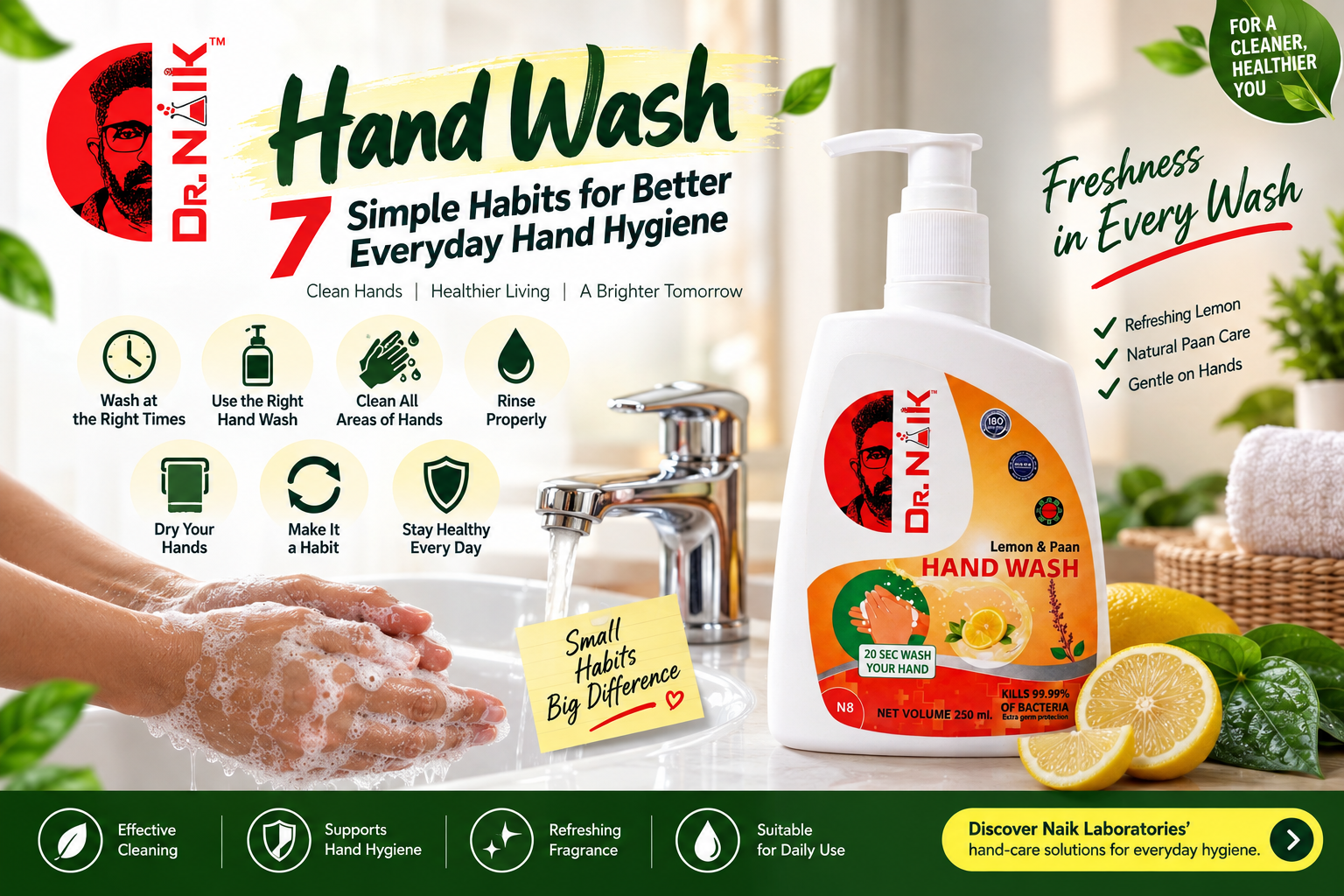
7 Everyday Hand-Washing Habits to Follow
1. Wash Your Hands at the Right Times
One of the most important hand-washing habits is knowing when to wash your hands.
Good opportunities for hand washing include:
- Before preparing or eating food
- After using the toilet
- After handling waste
- After cleaning
- After coming home from public places
- After handling visibly dirty objects
- After activities that leave your hands dirty
The exact situations can vary throughout the day, but the principle is simple: wash your hands whenever they may have become contaminated with dirt or residue.
2. Use Enough Hand Wash
Using a suitable hand wash can help make everyday cleaning more convenient.
A liquid hand wash is particularly practical for shared bathrooms and frequently used sinks because it can be dispensed directly onto the hands without requiring contact with a shared bar of soap.
The amount needed can depend on the product and dispenser. Follow the manufacturer’s recommended usage instructions rather than assuming that more product always means better cleaning.
3. Don’t Rush the Washing Process
A quick splash of water isn’t the same as proper hand washing.
When washing your hands, make sure the cleaning process covers the different areas of your hands rather than concentrating only on the palms.
Pay attention to:
- Palms
- Backs of hands
- Fingers
- Spaces between fingers
- Thumbs
- Fingertips
- Around and underneath fingernails
Taking enough time to clean these areas can make your hand-washing routine more thorough.
4. Don’t Forget Your Thumbs and Fingertips
Some parts of the hands are easy to overlook.
The thumbs and fingertips are frequently involved in touching objects, handling food and interacting with surfaces. They can therefore be missed when someone washes their hands too quickly.
Make a conscious effort to clean your thumbs, fingertips and the spaces between your fingers.
This small habit can make your everyday hand hygiene routine more complete.
5. Rinse Your Hands Properly
After applying liquid hand wash and working it across your hands, rinse thoroughly with clean running water.
Make sure the product and loosened dirt are washed away rather than leaving significant residue on the skin.
A thorough rinse is an important part of the hand-washing process.
6. Dry Your Hands After Washing
Hand washing shouldn’t end when you turn off the tap.
Drying your hands is another useful part of maintaining a clean and comfortable routine.
Depending on the environment, you may use a clean towel, disposable paper towel or an appropriate hand-drying system.
At home, make sure frequently used hand towels are washed and replaced regularly.
In shared spaces, convenient hand-drying facilities can help encourage better hygiene habits.
7. Make Hand Hygiene a Consistent Habit
The most useful hygiene habits are the ones that become part of your everyday routine.
Instead of remembering to wash your hands only when they look dirty, build hand washing into specific activities throughout your day.
For example:
Coming home → Wash hands
Before eating → Wash hands
Before food preparation → Wash hands
After using the toilet → Wash hands
After cleaning or handling waste → Wash hands
Creating these simple associations can make hand hygiene easier to maintain consistently.
How to Choose a Hand Wash for Daily Use
Choosing a hand wash for daily use is about more than selecting a pleasant fragrance.
Since hand wash may be used multiple times throughout the day, consider factors such as the product’s intended use, formulation, dispensing method and suitability for your routine.
Consider the Formulation
Choose a product intended for regular hand cleaning and follow the manufacturer’s instructions.
Choose a Convenient Format
A liquid hand wash with a suitable dispenser can be convenient for bathrooms, kitchens, offices and other shared spaces.
Think About Frequency of Use
A hand wash intended for frequent everyday use should fit comfortably into your regular hygiene routine.
Check the Product Instructions
Always read the label for recommended use, precautions and any specific guidance provided by the manufacturer.
The right product is one that suits your environment and makes regular hand hygiene easy to maintain.
Liquid Hand Wash vs. Bar Soap
Both liquid hand wash and bar soap can be used as part of a hand-cleaning routine, depending on personal preference and the environment.
However, liquid hand wash can be particularly convenient in shared spaces because it is dispensed directly from a container.
This makes liquid formats a practical option for:
- Home bathrooms
- Office washrooms
- Restaurants
- Schools
- Hotels
- Clinics and other professional environments
The most important factor is not simply the format. Consistent and proper hand washing is what makes the routine useful.
Hand Hygiene at Home
Home is where many daily routines take place, making it an important environment for developing good hygiene habits.
A hand wash dispenser placed near commonly used sinks can make hand washing more convenient.
Consider keeping hand wash available in:
- Main bathroom
- Guest bathroom
- Kitchen sink area
- Other frequently used washing areas
Encouraging everyone in the household to wash their hands at appropriate times can turn individual actions into a consistent household hygiene routine.
Hand Hygiene in Shared Spaces
Hand hygiene is also important outside the home.
Offices, restaurants, schools, hotels and other frequently used spaces may have many people interacting with the same doors, fixtures, equipment and surfaces.
Having liquid hand wash readily available at suitable sinks can make hand washing more convenient for users.
For businesses and organizations, maintaining stocked dispensers and clean washing areas can also support a more organized hygiene environment.
Hand Washing Mistakes to Avoid
Even simple hygiene routines can be improved by avoiding common mistakes.
Washing Only the Palms
Cleaning only the palms leaves other areas of the hands overlooked.
Remember the backs of your hands, fingers, thumbs, fingertips and spaces between your fingers.
Washing Too Quickly
Rushing through hand washing can result in areas being missed.
Take enough time to work the hand wash across the relevant surfaces of your hands.
Skipping Hand Washing When Hands Look Clean
Hands don’t always look dirty when they need cleaning.
Build hand washing around appropriate activities rather than relying only on visible dirt.
Using Too Much Product
More hand wash isn’t necessarily better. Follow the product’s recommended amount and usage instructions.
Using an Unclean Towel
A towel that is not maintained properly can undermine a good hygiene routine. Wash and replace reusable hand towels regularly.
Forgetting to Wash After Cleaning
Cleaning activities can leave hands exposed to dirt and residue. Include hand washing after cleaning tasks as part of your routine.
Hand Wash and Personal Hygiene
Personal hygiene includes many everyday habits, and hand washing is one of the simplest to incorporate into your routine.
Other useful hygiene practices can include:
- Keeping fingernails clean
- Bathing regularly
- Maintaining clean clothing
- Keeping frequently touched personal items clean
- Maintaining clean bathrooms and washing areas
- Washing hands at appropriate times
These habits work together to create a more complete approach to everyday cleanliness.
Creating a Better Daily Hand-Washing Routine
A good routine doesn’t need to be complicated.
Start by identifying the activities in your day where hand washing naturally fits.
Morning
Wash your hands as part of your morning personal-care routine.
Before Meals
Clean your hands before eating or handling food.
During Household Tasks
Wash hands after cleaning, handling waste or completing tasks that leave them dirty.
After Using the Toilet
Make hand washing a consistent part of bathroom use.
After Returning Home
Washing your hands after spending time in public or shared spaces can become a simple transition between outside activities and home life.
These habits can make hand hygiene a natural part of your daily schedule rather than an afterthought.
Why a Good Hand Wash Matters
The product you keep at your sink can influence how convenient your hygiene routine is.
A good hand wash for daily use should fit naturally into your environment and be easy to dispense and use.
For homes and shared spaces alike, a suitable liquid hand wash can help make regular hand cleaning more convenient.
The goal is simple: make it easy to wash your hands properly and consistently.
Lemon & Paan Hand Wash for Everyday Hygiene
For everyday hand-care routines, Naik Laboratories’ Lemon & Paan Hand Wash offers a practical option for regular hand cleaning.
The Lemon & Paan variant combines a distinctive fragrance profile with the convenience of a liquid hand-wash format, making it suitable for everyday use where regular hand washing is part of the routine.
Whether placed in a household bathroom, kitchen or another suitable washing area, keeping hand wash readily available can encourage consistent hygiene habits.
Always use the product according to the manufacturer’s instructions.
Making Hand Hygiene Easier Every Day
Good hygiene doesn’t have to involve complicated routines.
Keeping a suitable hand wash near frequently used sinks, washing your hands at appropriate times, covering all areas of the hands and drying them properly can create a practical daily routine.
The key is consistency.
When hand washing becomes an automatic part of activities such as eating, food preparation, bathroom use and returning home, maintaining personal hygiene becomes much easier.
Conclusions
Regular hand washing is one of the simplest habits you can build into your everyday routine.
Using a suitable liquid hand wash, cleaning all areas of your hands, rinsing properly and drying them afterward can help make your hygiene routine more thorough and consistent.
From home bathrooms and kitchens to offices and other shared spaces, having an appropriate hand wash for daily use readily available can make good hygiene habits easier to maintain.
Small actions repeated consistently can make a meaningful difference to everyday cleanliness.
Make Everyday Hand Hygiene Simple
Discover Naik Laboratories’ hand-care solutions for everyday hygiene.
Explore the Lemon & Paan Hand Wash and other Naik Laboratories hand-care solutions designed to fit into your everyday hygiene routine.