
Body Hygiene Awareness: Small Daily Habits That Keep Every Family Safer
Good personal cleanliness is not only about looking fresh. It protects health, improves confidence and creates a safer home. Body Hygiene Awareness helps families understand how daily actions can reduce dirt, sweat, unpleasant odour and the spread of germs.
Many people believe hygiene needs expensive products or complicated routines. In reality, simple body hygiene habits followed consistently can make a meaningful difference. From washing correctly to wearing clean clothes, every family member can support everyday hygiene and family safety.
Why Body Hygiene Awareness Matters
Body Hygiene Awareness teaches us that the body is regularly exposed to dust, sweat, pollution and microorganisms. Areas such as the hands, feet, underarms, scalp, mouth and skin folds can collect bacteria when they are not cleaned properly.
Poor hygiene may contribute to body odour, skin irritation, fungal infections, dental problems and common illnesses. Children and older adults may need additional guidance. When hygiene becomes a shared family habit, it is easier for everyone to stay clean and comfortable.
Lorem ipsum dolor sit amet, consectetur adipiscing elit. Ut elit tellus, luctus nec ullamcorper mattis, pulvinar dapibus leo.
Start With Proper Body Washing
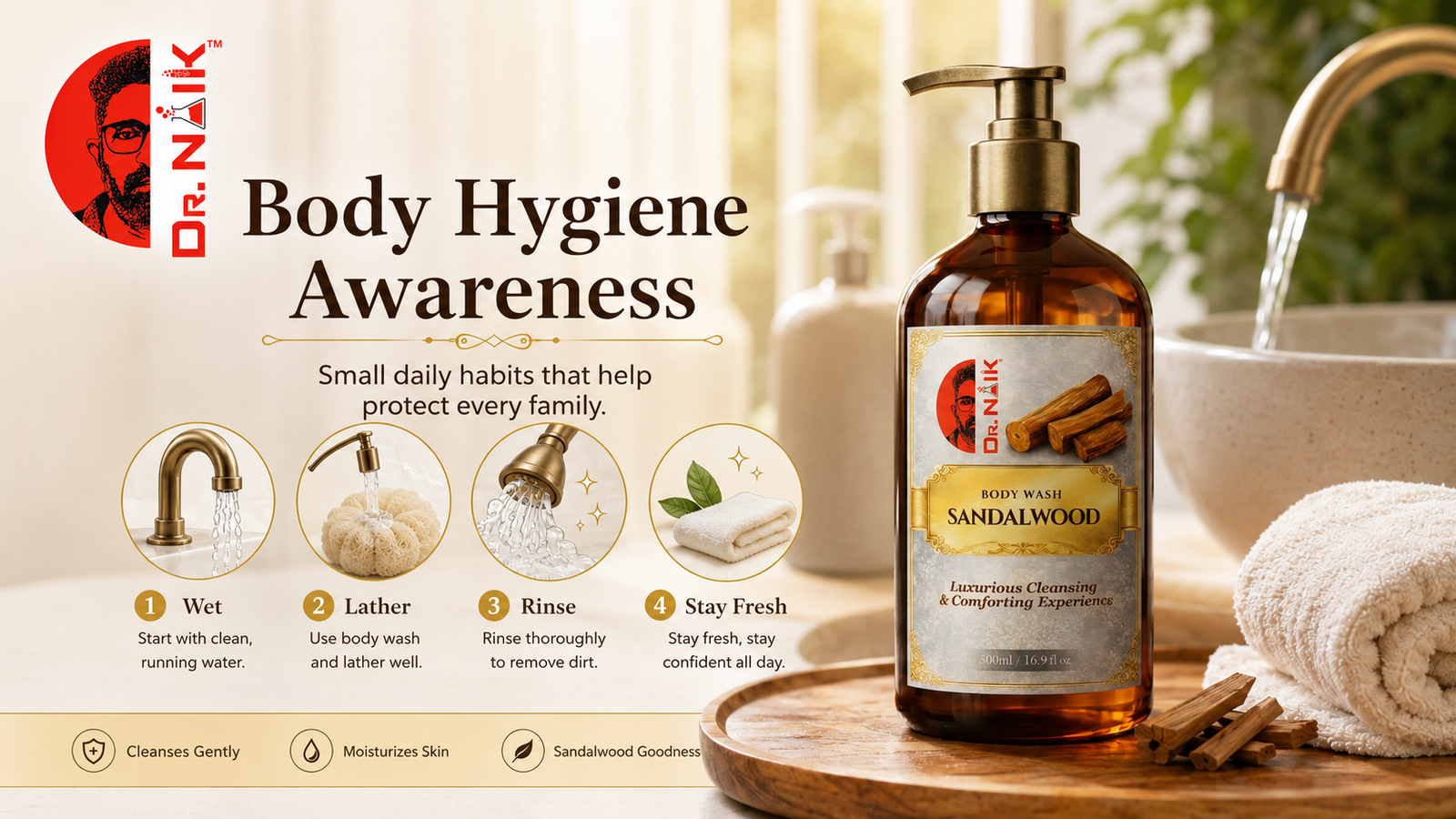
Proper body washing is the foundation of a healthy routine. A regular bath or shower removes sweat, dirt, excess oil and environmental pollutants. Use clean water with a mild soap or body wash suitable for your skin type.
Pay attention to areas where moisture collects, including the underarms, neck, feet, behind the ears and skin folds. Rinse thoroughly and dry the body with a clean towel, especially between the toes.
Body Hygiene Awareness also means avoiding extremely hot water and harsh scrubbing, which may irritate the skin. Gentle and complete washing is generally more effective than aggressive cleaning.
Wash Hands at Important Times
Handwashing is one of the most valuable simple body hygiene habits. Hands touch phones, door handles, money, food, public surfaces and the face. Washing with soap and running water removes dirt and reduces the transfer of germs.
Hands should be washed before eating or preparing food, after using the toilet, after coughing or sneezing, after returning home, after touching waste and after caring for someone who is unwell.
To strengthen Body Hygiene Awareness, parents should teach children to clean their palms, the backs of their hands, fingers, fingertips, thumbs and wrists.
Include Oral Care in Everyday Hygiene
Oral care is an essential part of everyday hygiene. Brushing twice daily helps remove food particles and plaque. Cleaning the tongue can reduce unpleasant breath, while flossing cleans areas that a toothbrush may miss.
Every person should have a separate toothbrush. Store toothbrushes in a clean, dry place and replace them when the bristles become damaged. Regular dental check-ups can also help identify concerns early.
Body Hygiene Awareness should always include oral care because the mouth affects eating, speaking, comfort and confidence.
Wear Clean Clothes and Use Clean Towels
Bathing is less effective when clean skin is covered with sweaty or unwashed clothes. Fresh undergarments, socks and clothing help reduce odour, moisture and discomfort. Clothes worn during exercise should be washed before being worn again.
Towels must be cleaned regularly and allowed to dry fully. Sharing damp towels may increase the risk of skin problems. Separate personal towels are particularly useful for children and people with sensitive skin.
This part of Body Hygiene Awareness is simple: clean skin, clean clothes and clean personal items should work together.
Care for Hair, Nails and Feet
Wash hair according to scalp type, activity level and exposure to sweat or dust. Combs, brushes, caps and hair accessories should also be kept clean.
Nails can collect dirt and germs, so they should be trimmed and cleaned regularly. Nail biting should be discouraged, particularly among children.
Feet need daily attention too. Wash them properly, dry between the toes, change socks regularly and allow footwear to air. Body Hygiene Awareness becomes more effective when families remember these commonly ignored areas.
Support Hygiene During Puberty and Menstruation
Puberty can bring increased sweating, oily skin, body odour and other physical changes. Young people need respectful guidance rather than embarrassment. Regular bathing, clean clothing, suitable deodorant and proper skin care can improve their confidence.
Menstrual products should be changed regularly. Hands should be washed before and after changing them, and used products should be disposed of safely.
Open family communication makes Body Hygiene Awareness practical, respectful and inclusive for everyone.
Keep Personal Items Personal
Some items should not be shared because they directly touch the body. These include:
- Toothbrushes
- Razors
- Towels
- Nail cutters
- Undergarments
- Combs
- Makeup tools
Labelling personal items may help larger households. Cleaning these items and storing them in a dry place also supports family safety.
Body Hygiene Awareness is not only about washing the body. It also involves reducing unnecessary contact with potentially contaminated personal belongings.
Create a Family Hygiene Routine
The easiest way to improve hygiene is to make it predictable. Build morning and evening routines that include brushing teeth, bathing, changing clothes, washing hands and preparing clean items for the next day.
Parents should lead by example. Children are more likely to follow proper body washing and everyday hygiene practices when adults follow them consistently.
Body Hygiene Awareness should always be taught positively. Avoid making children feel ashamed about sweat, dirt or body odour. Instead, explain what they need to do, why it matters and how they can improve.
A Simple Family Hygiene Checklist
A practical daily hygiene checklist should include:
- Bathing regularly
- Washing hands at important times
- Brushing teeth twice daily
- Wearing clean undergarments
- Trimming and cleaning nails
- Washing and drying the feet
- Using separate personal towels
- Keeping the bathroom clean
Families should also wash bedding regularly, clean frequently touched surfaces, maintain hygienic toilets and keep soap and clean towels available.
These small actions strengthen Body Hygiene Awareness while connecting personal cleanliness with a cleaner and healthier home environment.
Final Thoughts
Body Hygiene Awareness begins with small actions repeated every day. Proper body washing, clean clothing, regular handwashing, oral care, nail care and respectful hygiene education can help protect every family member.
The goal is consistency, not perfection. When simple body hygiene habits become part of normal family life, they support comfort, confidence, everyday hygiene and family safety.
By teaching these habits early and practising them together, families can build a cleaner, safer and healthier future. Strong Body Hygiene Awareness transforms personal cleanliness from an occasional activity into a valuable lifelong habit.