
Outdoor Pet Protection: 9 Essential Tips to Keep Your Adventure Pets Safe from Ticks and Fleas on Every Hike
Introduction
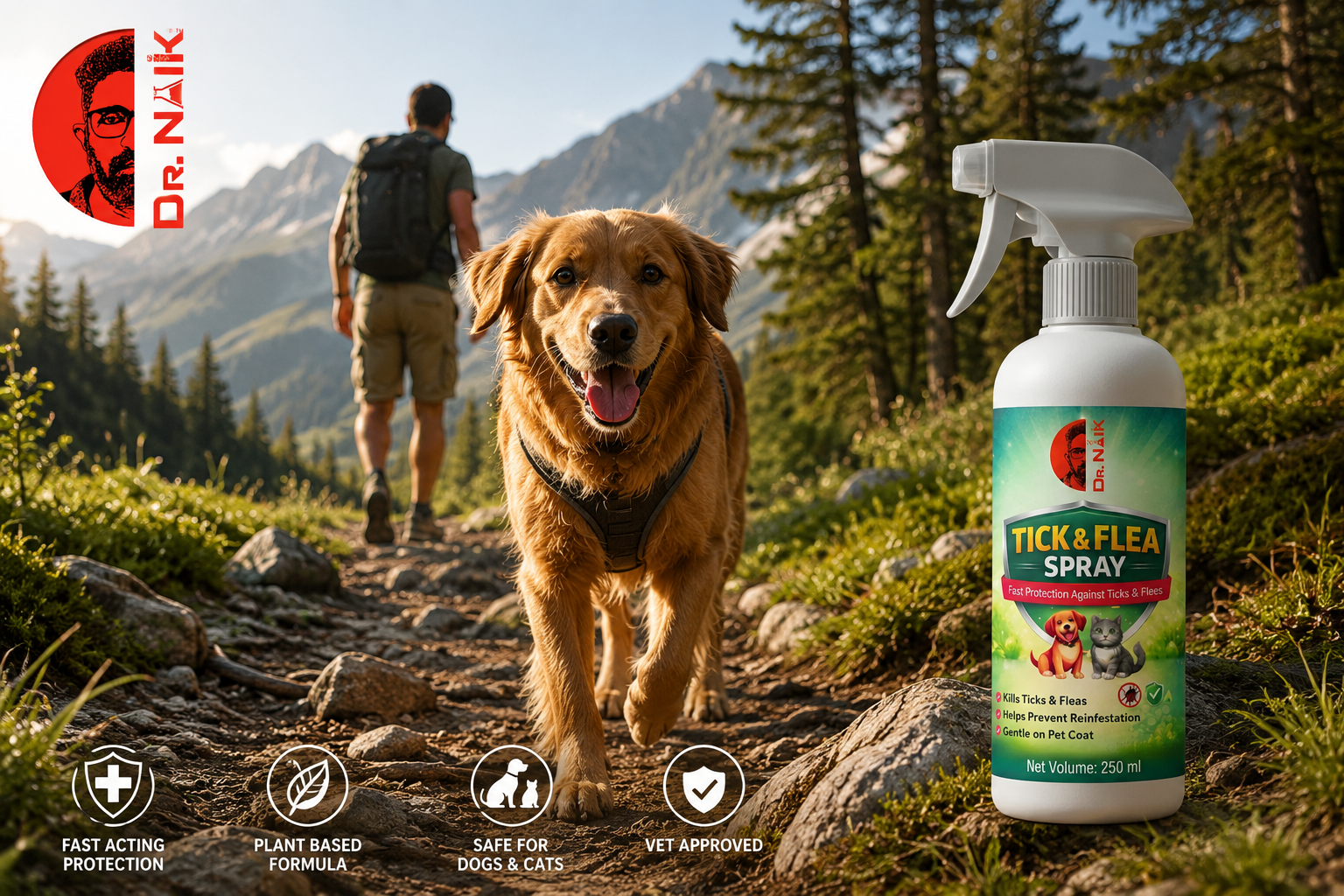
Outdoor Pet Protection is one of the most important responsibilities for pet owners who love spending time in nature with their furry companions. Hiking trails, forests, mountains, and parks provide exciting adventures for dogs, but they also expose pets to ticks, fleas, insects, and other outdoor hazards that can affect their overall well-being.
Whether you’re planning a weekend trek or a short nature walk, understanding how to protect dogs from ticks while hiking can help reduce health risks and make every adventure enjoyable. From using effective tick spray to performing post-hike inspections, proactive care keeps your adventure pets healthy and energetic.
This guide shares practical tips to improve dog health, reduce the risk of parasites, and ensure safe outdoor experiences throughout the year.
Understanding Body Wash Manufacturing
Why Outdoor Pet Protection Matters
Nature offers countless benefits for dogs, including exercise, mental stimulation, and social interaction. However, wooded trails, tall grass, and damp environments are ideal habitats for ticks and fleas.
Without proper Outdoor Pet Protection, pets may face:
- Tick bites
- Flea infestations
- Skin irritation
- Allergic reactions
- Reduced comfort during outdoor activities
Protective measures help your dog enjoy every hike while minimizing unnecessary risks.
Common Outdoor Pests That Affect Dogs
Understanding common pests allows owners to prepare before heading outdoors.
Ticks
Ticks attach themselves to a dog’s skin and feed on blood. They are commonly found in:
- Tall grass
- Bushes
- Forest trails
- Leaf litter
Learning how to protect dogs from ticks while hiking starts with knowing where ticks thrive.
Fleas
Fleas spread quickly and may cause itching and skin irritation. They are often picked up in grassy areas or from contact with wildlife.
Mosquitoes
Mosquitoes can become a nuisance during outdoor adventures, especially near lakes and wetlands.
1. Apply Tick Spray Before Every Adventure
One of the simplest steps in Outdoor Pet Protection is applying a veterinarian-approved tick spray before leaving home.
Benefits include:
- Helps discourage ticks from attaching
- Supports longer outdoor activities
- Easy to apply before hikes
- Suitable for many trail environments
Always follow the product instructions and ensure it is designed specifically for dogs.
2. Stay on Designated Hiking Trails
Allowing dogs to run through dense vegetation increases exposure to ticks.
Instead:
- Stay on maintained trails
- Avoid tall grass
- Keep dogs away from thick bushes
- Choose cleaner walking paths whenever possible
These habits significantly improve Outdoor Pet Protection.
3. Perform Regular Tick Checks
One of the best answers to how to protect dogs from ticks while hiking is conducting a full-body inspection after every outdoor trip.
Check areas including:
- Behind ears
- Around the neck
- Under the collar
- Between toes
- Under the tail
- Belly
- Armpits
Early detection makes tick removal much easier.
4. Groom Your Dog After Hiking
Brushing your dog removes loose debris, dirt, and insects before they settle into the coat.
Regular grooming also helps owners notice:
- Small bumps
- Skin irritation
- Embedded ticks
- Fleas
- Scratches
Healthy grooming habits support overall dog health while improving coat condition.
5. Keep Your Dog Hydrated
Hydration contributes to overall wellness during outdoor activities.
Bring:
- Fresh drinking water
- Portable water bowls
- Cooling towels during summer hikes
Healthy, hydrated dogs remain active and comfortable during longer adventures.
6. Choose Safe Hiking Seasons
Ticks become more active during warmer months.
For improved Outdoor Pet Protection, consider:
- Hiking early in the morning
- Choosing cooler seasons when possible
- Avoiding humid areas after rainfall
- Monitoring local pest activity
Seasonal planning reduces unnecessary exposure.
7. Maintain Routine Flea Prevention
Consistent flea prevention is an essential part of every outdoor care routine.
Preventive care may include:
- Monthly treatments
- Flea shampoos
- Flea combs
- Clean bedding
- Regular home cleaning
Combining tick spray with flea prevention creates a stronger defense against outdoor pests.
8. Pack a Pet Hiking Safety Kit
Responsible owners prepare for unexpected situations.
Your hiking kit should include:
- Water
- Portable bowl
- Tick removal tool
- Pet-safe wipes
- First aid supplies
- Leash
- Waste bags
- Healthy treats
Prepared owners protect their adventure pets more effectively.
9. Schedule Regular Veterinary Checkups
Routine veterinary visits help ensure excellent dog health throughout the year.
Your veterinarian can recommend:
- Preventive care plans
- Parasite protection
- Vaccinations
- Safe hiking practices
- Seasonal wellness checks
Professional guidance complements your Outdoor Pet Protection routine.
Signs Your Dog May Have Picked Up Ticks or Fleas
Watch for symptoms after outdoor adventures:
- Excessive scratching
- Frequent licking
- Hair loss
- Red skin
- Small dark insects in fur
- Tiny bumps
- Restlessness
Prompt attention can help prevent minor issues from becoming larger concerns.
Best Practices Before Every Hiking Trip
Create a simple routine before leaving:
- Apply tick spray
- Check weather conditions
- Carry enough drinking water
- Pack emergency supplies
- Keep identification tags updated
- Use a sturdy leash
- Bring nutritious snacks
Preparation is one of the easiest ways to improve Outdoor Pet Protection.
Benefits of Proper Outdoor Pet Protection
Consistent protection offers several long-term advantages:
- Supports better dog health
- Encourages safer outdoor adventures
- Helps reduce tick and flea exposure
- Improves comfort during hikes
- Builds confidence for pet owners
- Promotes enjoyable experiences for adventure pets
Small preventive habits make every hiking trip safer and more enjoyable.
Conclusion
Every hiking adventure should be memorable for the right reasons. By making Outdoor Pet Protection a regular part of your outdoor routine, you can help your dog enjoy trails, parks, and forests with greater confidence. Learning how to protect dogs from ticks while hiking, using an effective tick spray, maintaining consistent flea prevention, and supporting overall dog health are simple yet valuable habits for every pet owner.
With proper preparation, routine inspections, and preventive care, your adventure pets can safely explore the outdoors while staying happy, active, and ready for the next journey.