
Vehicle Wash: 9 Smart Solutions for a Spotless Commercial Fleet
Introduction
Vehicle Wash plays a crucial role in maintaining the appearance, safety, and operational efficiency of commercial fleets. Whether your business operates delivery vans, trucks, buses, taxis, or service vehicles, keeping them clean goes beyond aesthetics. Dirt, mud, road salt, oil residue, and industrial contaminants can gradually damage vehicle surfaces, increase maintenance costs, and reduce resale value.
A professional Vehicle Wash program helps businesses protect their investment while projecting a positive brand image. Customers often judge a company by the condition of its fleet, making cleanliness an essential part of business reputation. By combining effective fleet cleaning, high-quality automotive soap, and reliable commercial wash practices, fleet owners can improve vehicle longevity and reduce long-term operating expenses.
This guide explores the best commercial vehicle wash solutions for fleet maintenance and explains how businesses can achieve consistent, spotless results.
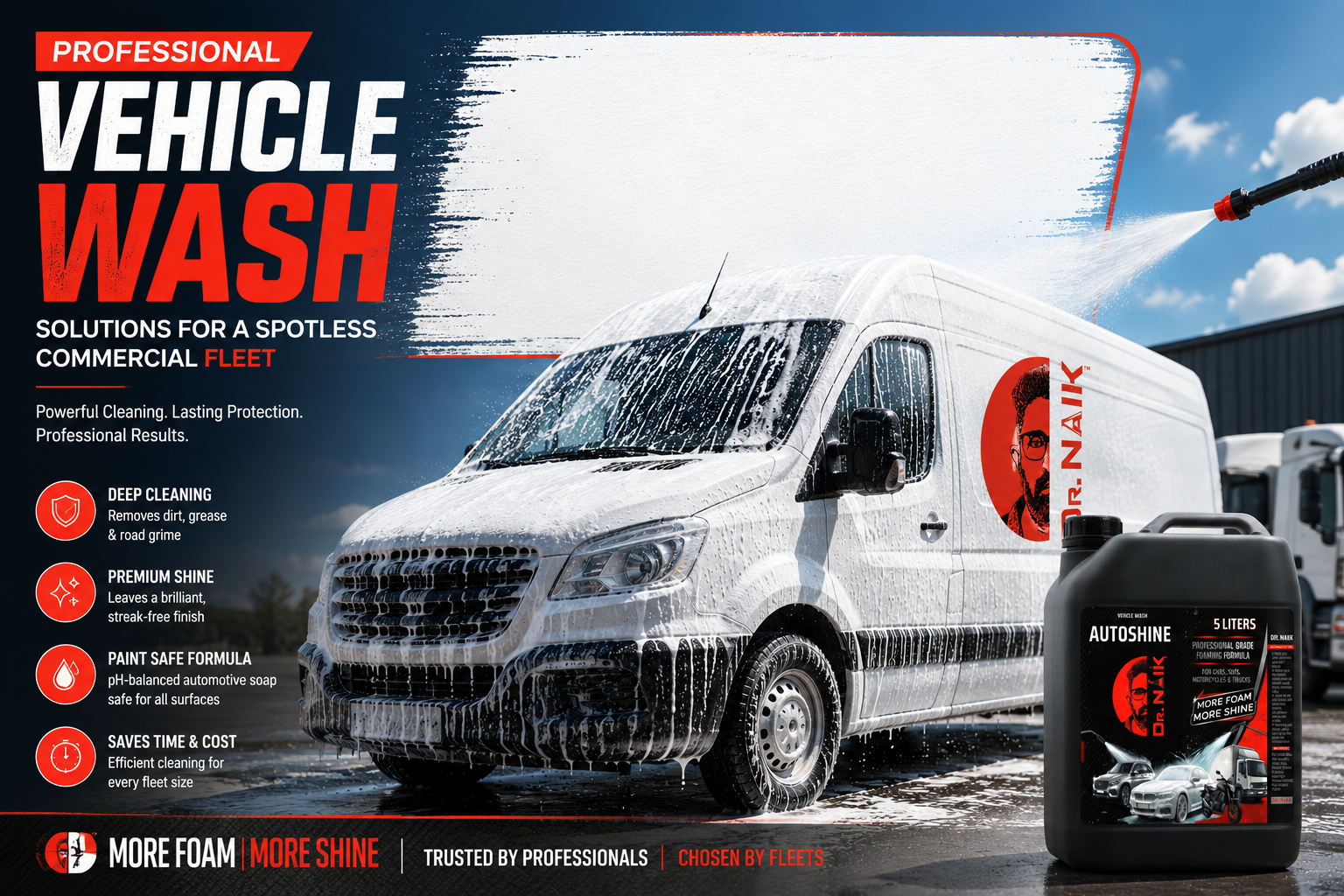
Why Vehicle Wash Matters for Commercial Fleets
Commercial vehicles travel thousands of kilometers under varying weather and road conditions. Dust, grease, brake dust, bird droppings, insects, and chemical pollutants accumulate daily.
Regular Vehicle Wash routines provide several advantages:
- Maintains professional company branding
- Prevents corrosion and rust formation
- Removes harmful road contaminants
- Improves visibility through clean windows and mirrors
- Extends paint life
- Reduces long-term maintenance costs
- Enhances vehicle resale value
Businesses that prioritize routine fleet maintenance often experience fewer cosmetic repairs and better overall fleet performance.
1. Choose the Right Automotive Soap
Not all cleaning products are suitable for commercial vehicles. Household detergents can strip protective coatings and dull painted surfaces.
A premium automotive soap should provide:
- High foaming action
- Excellent dirt removal
- Safe pH-balanced formula
- Wax-friendly ingredients
- Easy rinsing
- Streak-free finish
Using quality automotive soap ensures every Vehicle Wash protects the paint while effectively removing stubborn grime.
2. Implement a Scheduled Fleet Cleaning Program
Consistency is key in fleet cleaning.
Depending on operating conditions, fleets may require:
- Daily rinsing
- Weekly complete washing
- Monthly deep cleaning
- Quarterly detailing
Vehicles operating in construction, mining, logistics, or coastal environments often require more frequent cleaning due to mud, dust, salt, and chemical exposure.
A structured Vehicle Wash schedule minimizes dirt buildup and simplifies future maintenance.
3. Use High-Pressure Commercial Wash Equipment
Modern commercial wash systems significantly improve cleaning efficiency.
Popular options include:
- High-pressure washers
- Foam spray systems
- Automatic wash tunnels
- Touchless wash systems
- Water recycling wash stations
These systems reduce labor while delivering consistent cleaning quality across large fleets.
High-pressure washing removes mud and road debris from difficult-to-reach areas, including wheel wells and chassis components.
4. Don’t Ignore the Undercarriage
Many fleet owners focus only on visible surfaces.
However, the undercarriage collects:
- Road salt
- Mud
- Oil residue
- Sand
- Chemicals
These contaminants accelerate corrosion.
Including underbody cleaning during every Vehicle Wash significantly extends vehicle lifespan, especially for trucks operating in harsh environments.
5. Protect Paint with Exterior Detailing
Regular exterior detailing helps preserve vehicle appearance.
Professional detailing includes:
- Clay bar treatment
- Paint decontamination
- Machine polishing
- Protective wax
- Ceramic coating
These treatments reduce dirt adhesion, making future Vehicle Wash procedures faster and more effective while improving gloss and UV protection.
6. Save Water with Eco-Friendly Cleaning Solutions
Sustainability is becoming increasingly important for fleet operators.
Modern Vehicle Wash facilities often include:
- Water recycling systems
- Low-water foam technology
- Biodegradable automotive soap
- Efficient pressure nozzles
These practices reduce environmental impact while lowering operating costs.
Businesses adopting eco-friendly fleet cleaning also strengthen their corporate sustainability initiatives.
7. Train Staff on Proper Washing Techniques
Incorrect washing methods can cause swirl marks, scratches, and paint damage.
Best practices include:
- Rinse before scrubbing
- Use microfiber wash mitts
- Wash from top to bottom
- Separate wheels from body panels
- Dry with microfiber towels
Proper staff training ensures every Vehicle Wash maintains vehicle appearance without introducing unnecessary surface damage.
8. Inspect Vehicles During Every Wash
A Vehicle Wash provides an excellent opportunity to identify maintenance issues early.
Operators should inspect:
- Tire wear
- Fluid leaks
- Cracked lights
- Windshield damage
- Loose body panels
- Rust spots
Early detection reduces repair costs and prevents unexpected vehicle downtime.
Routine inspections combined with regular washing improve overall fleet reliability.
9. Invest in Premium Commercial Wash Products
Quality cleaning products improve efficiency and produce better results.
Look for products offering:
- Rich foam generation
- Fast dirt penetration
- Safe paint protection
- Easy rinsing
- Hard water compatibility
- Pleasant fragrance
Premium commercial wash chemicals reduce labor while delivering consistently spotless finishes across every fleet vehicle.
Common Mistakes to Avoid
Many businesses unknowingly reduce the effectiveness of their Vehicle Wash process.
Avoid these common mistakes:
- Using household detergents
- Washing in direct sunlight
- Reusing dirty wash water
- Ignoring wheel cleaning
- Skipping drying
- Delaying regular washing
- Using abrasive brushes
Eliminating these errors helps maintain professional-looking vehicles year-round.
Benefits of Regular Vehicle Wash Programs
A well-planned Vehicle Wash strategy provides measurable business benefits.
These include:
- Enhanced company image
- Lower maintenance expenses
- Reduced corrosion
- Longer paint life
- Increased vehicle resale value
- Improved driver satisfaction
- Better customer confidence
- Compliance with fleet maintenance standards
Clean vehicles demonstrate professionalism and reinforce trust with customers.
Conclusion
An effective Vehicle Wash program is far more than a cosmetic routine—it is an investment in fleet longevity, operational efficiency, and brand reputation. By selecting premium automotive soap, implementing consistent fleet cleaning schedules, using advanced commercial wash systems, and incorporating professional exterior detailing, businesses can protect their vehicles from wear while reducing long-term maintenance costs.
Whether you manage a small delivery fleet or a large transportation operation, adopting the best commercial vehicle wash solutions for fleet maintenance ensures cleaner vehicles, improved reliability, and a stronger professional image. Investing in regular Vehicle Wash practices today helps keep your fleet performing at its best for years to come.